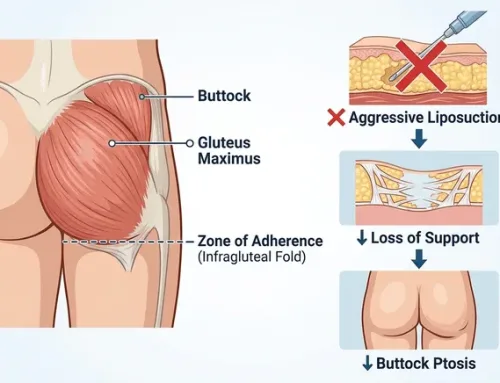
Understanding Your Surgical Drain After Surgery at Evita Clinic
If you are preparing for surgery at Evita Clinic, your surgeon may tell you that a surgical drain will be placed during the procedure. While many patients feel concerned when they hear the word “drain,” it is actually a very common and useful tool that helps your body heal more safely and comfortably after surgery.
What Is a Surgical Drain?
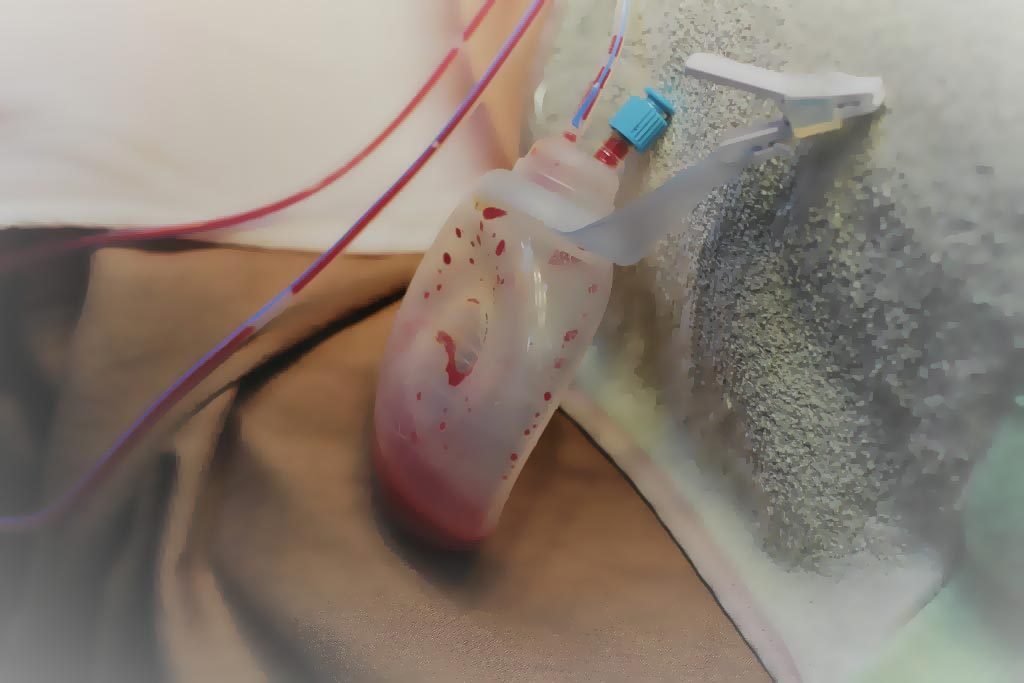
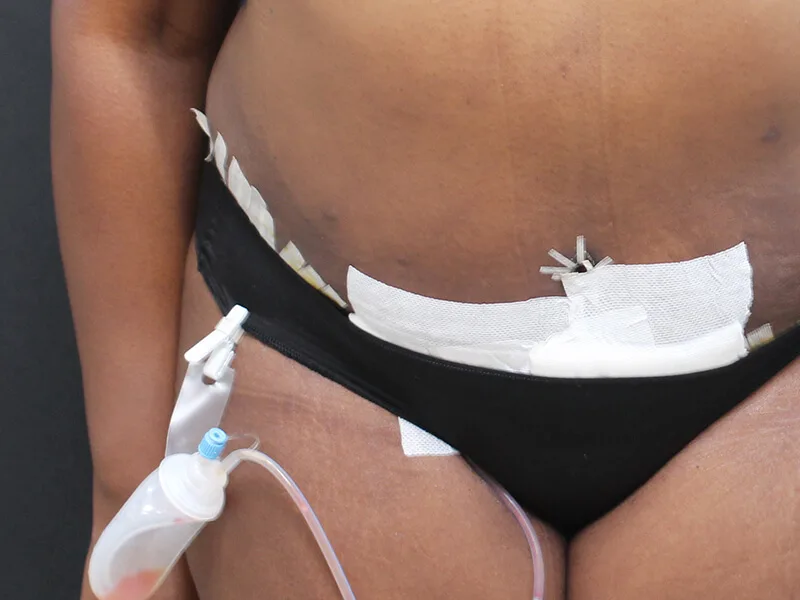
A surgical drain is a soft silicone tube connected to a small collection bulb. It is placed underneath the skin near the surgical area before the operation is completed.
The drain continuously removes fluid that naturally accumulates after surgery, including:
- Blood
- Tissue fluid (serous fluid)
- Lymphatic fluid
- Small amounts of inflammatory fluid
Without drainage, these fluids can collect beneath the skin and create a condition known as a “dead space,” which may slow healing and increase the risk of complications. Surgical drains help eliminate this fluid collection and support a smoother recovery.
Why Do Surgeons Use Drains?
After body contouring surgery, a space often remains between the skin and the deeper tissues.
The body naturally fills this space with fluid during the healing process.
A drain helps by:
- Reducing swelling
- Reducing bruising
- Lowering the risk of seroma formation
- Lowering the risk of hematoma formation
- Improving skin attachment to the underlying tissues
- Helping the surgeon monitor postoperative healing
- Promoting a faster and more predictable recovery
For many procedures, a drain can significantly reduce the likelihood of requiring additional treatment later.
Which Surgeries Usually Require a Drain?
At Evita Clinic, drains are most commonly used for procedures involving larger surgical spaces, including:
Tummy Tuck (Abdominoplasty)
A tummy tuck creates a large area beneath the abdominal skin where fluid can accumulate. Drains are routinely used to minimize the risk of seroma formation.
Grade 3–4 Gynecomastia Surgery
Patients with significant skin removal or mastopexy techniques may require drains for several days after surgery.
Breast Reduction Surgery
Because a substantial amount of tissue is removed, temporary drainage may be necessary.
Breast Lift (Mastopexy)
Drains may be used depending on the extent of tissue dissection.
FTM Top Surgery
Double-incision top surgery often involves drains to reduce postoperative fluid accumulation and improve chest contour healing.
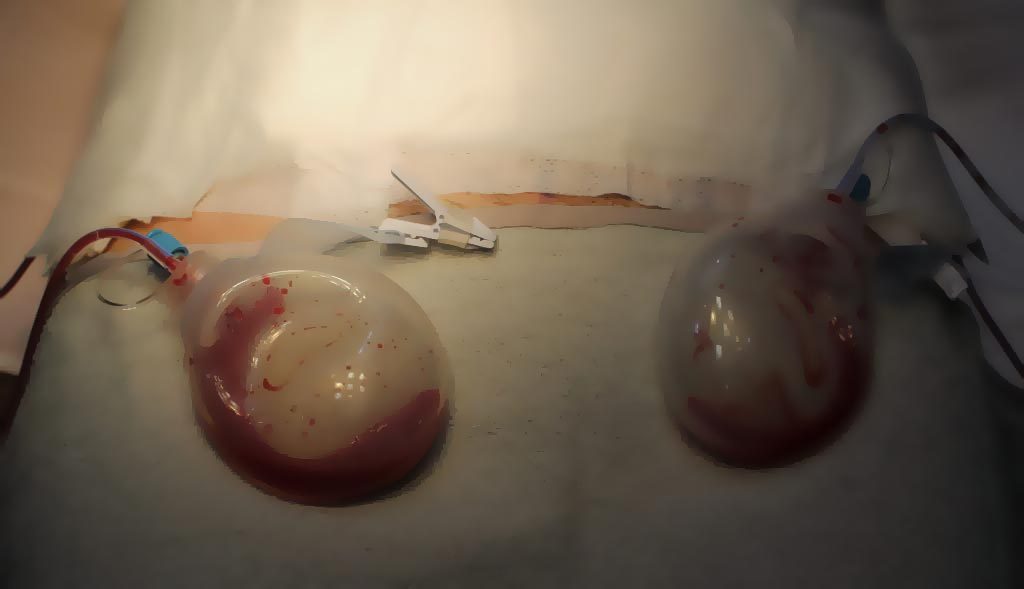
What Does the Drain Fluid Look Like?
Many patients worry when they see fluid collecting in the bulb.
The appearance changes throughout recovery:
Day 1–2
- Dark red
- Similar to diluted blood
Day 2–4
- Pink or light red
Day 4–7
- Yellowish or straw-colored
This progression is normal and usually indicates healing.
How Much Drainage Is Normal?
The amount varies depending on:
- Type of surgery
- Body size
- Individual healing response
- Level of postoperative activity
Generally:
- Higher output is expected during the first 24–48 hours.
- Drainage gradually decreases each day.
- Most surgeons consider drain removal when total output falls below approximately 30cc over 24 hours.
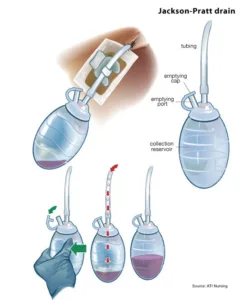
How to Empty Your Drain
You may need to empty the collection bulb several times per day.
Step 1
Wash your hands thoroughly.
Step 2
Open the stopper on the collection bulb.
Step 3
Pour the fluid into a measuring cup.
Step 4
Record the amount and color.
Step 5
Compress the bulb completely.
Step 6
While keeping it compressed, close the stopper firmly.
This creates gentle suction that allows the drain to continue working properly.
Why Is Recording Drain Output Important?
Your surgeon uses this information to determine:
- Whether healing is progressing normally
- Whether a seroma may be developing
- When the drain can be safely removed
We strongly recommend recording:
- Date
- Time
- Amount drained
- Fluid color
Bring this information to every follow-up appointment.
How Long Will I Need the Drain?
The duration varies by procedure.
Typical examples include:
| Procedure | Average Duration |
|---|---|
| Tummy Tuck | 3–7 days |
| Breast Reduction | 2–5 days |
| FTM Top Surgery | 3–7 days |
| Grade 3–4 Gynecomastia | 2–5 days |
Your surgeon will decide based on your actual drainage volume rather than a fixed schedule.
Does Drain Removal Hurt?
Most patients are surprised by how quick the process is.
Drain removal usually takes less than one minute.
You may feel:
- A pulling sensation
- Mild pressure
- Brief discomfort
Most patients rate the discomfort as only 2–3 out of 10.
Once removed, immediate relief is common.
Can the Drain Accidentally Come Out?
This is extremely uncommon.
The drain is secured with a stitch placed by your surgeon.
To prevent accidental pulling:
- Keep the bulb clipped to your clothing
- Avoid sudden pulling movements
- Do not allow the tubing to become tangled while sleeping
Can I Shower With a Drain?
Generally, we recommend sponge bathing until your surgeon confirms it is safe to shower.
Keeping the drain site clean and dry helps reduce infection risk.
Always follow the specific instructions provided by your surgeon.
When Should I Contact the Clinic?
Please contact us immediately if you experience:
- Sudden increase in drainage
- Bright red bleeding that continues
- Drainage with a foul odor
- Fever above 38°C (100.4°F)
- Increasing redness around the drain site
- Severe pain around the incision
- Sudden swelling on one side of the surgical area
These symptoms may require prompt evaluation.
Frequently Asked Questions
In Summary
Although wearing a drain may feel inconvenient for a few days, it plays an important role in preventing fluid accumulation, reducing complications, and supporting optimal healing. At Evita Clinic, drains are used only when they are expected to improve your recovery and final surgical outcome. Following your surgeon’s instructions and accurately recording drainage volumes will help ensure a safer and smoother recovery.