
Hyperhidrosis treatment · Seoul, Korea
Excessive Sweating Treatment at Evita Clinic
Hyperhidrosis is sweating that is greater than the body needs for temperature control. Treatment should begin by identifying where, when, and why the sweating occurs—not by assuming that every patient needs the same procedure.
The first clinical question
Is the sweating primary or secondary?
Primary focal hyperhidrosis commonly affects the underarms, palms, soles, or face in a relatively symmetrical pattern. Secondary hyperhidrosis is caused by another medical condition or a medicine and may require a different evaluation.
Dr. Francis Jeon reviews the age at onset, distribution, family history, night symptoms, triggers, current medicines, previous treatment, and how sweating affects work and daily life. This determines whether clinic-based symptom control is appropriate or whether evaluation of an underlying cause should come first.
Further medical evaluation may be appropriate when sweating:
- begins suddenly or changes substantially
- affects most of the body rather than one focal area
- occurs prominently during sleep
- appears after starting or changing a medicine
- is accompanied by unexplained systemic symptoms
Evita Clinic may recommend assessment at an appropriate medical center when the pattern suggests a possible endocrine, metabolic, neurologic, infectious, medication-related, or other systemic cause.
Individual treatment planning
Hyperhidrosis treatment options
Treatment is selected by body area, severity, previous response, tolerance, medical history, and the practical need for ongoing maintenance.
Clinical antiperspirants
Prescription-strength or clinical antiperspirants may be appropriate for focal sweating. Correct application and skin tolerance are important; an antiperspirant reduces sweating, while a deodorant primarily addresses odor.
Iontophoresis
A mild electrical current is passed through water to reduce sweating, most commonly in the palms or soles. It usually requires a repeated initial schedule and ongoing home maintenance, so it may be less practical for short-term visitors.
Botulinum toxin injections
Multiple small injections temporarily reduce the nerve signal that activates sweat glands in the treated area. Evita Clinic has separate fixed fees for the palms, underarms, soles, facial T-zone, scalp hairline, and nuchal scalp.
- No surgical incision
- Same-day outpatient treatment
- Repeat treatment may be performed when the effect wears off
Oral medication guidance
Systemic medicines may sometimes be considered when topical or device-based treatment is insufficient or when sweating is more widespread. Dry mouth, blurred vision, constipation, urinary difficulty, heat intolerance, and other adverse effects must be considered.
Examples patients may encounter
Medication choice depends on the sweating area, skin tolerance, medical history, and local prescribing rules.
Driclor
An aluminum chloride antiperspirant used for localized sweating. Skin irritation can limit use.
Avert
Oral glycopyrrolate capsules. Systemic anticholinergic side effects must be considered.
Secure
Topical glycopyrrolate wipes for localized application. Contact with the eyes should be avoided.
ECCLOCK Gel
A prescription sofpironium bromide 5% gel approved in Korea for primary axillary hyperhidrosis.
These are treatment examples, not a promise that every product is stocked or prescribed at Evita Clinic. Brand availability, approved indications, and prescription requirements vary by country.
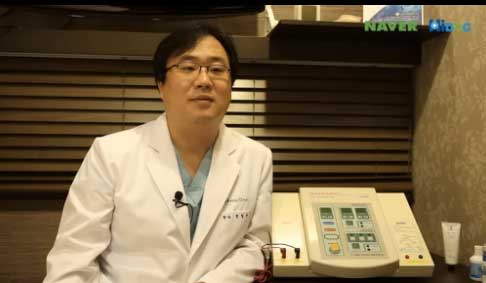
Why iontophoresis requires a practical plan
Iontophoresis can be useful for palmar or plantar sweating, but it is not usually a single-session treatment. Regular initial sessions and maintenance are commonly needed. For international patients, a home device and follow-up with a local clinician may be more practical than repeated clinic visits during a short stay in Seoul.
Endoscopic thoracic sympathectomy (ETS)
ETS is thoracoscopic surgery that interrupts selected sympathetic nerve pathways inside the chest to reduce sweating, most commonly in severe palmar hyperhidrosis that has not responded adequately to other treatments. It is performed under general anesthesia with specialized lung-ventilation management and normally requires postoperative hospital observation or admission. Compensatory sweating in other parts of the body is an important potential long-term effect and should be discussed carefully before surgery.
Referral from Evita Clinic: Evita Clinic does not perform ETS on site because it requires hospital-based anesthesia, thoracic surgical facilities, and inpatient care. When ETS may be appropriate, we can arrange a referral to a collaborating university hospital so the patient can receive specialist assessment and, if suitable, surgery there. Final eligibility and scheduling are determined by the university hospital.
Other procedures not offered at Evita Clinic: Evita Clinic does not perform MiraDry. Surgical sweat-gland reduction is considered only for selected cases of axillary osmidrosis, which is a different condition centered on underarm odor.
Choosing the right route
Treatment depends on the sweating pattern
Axillary hyperhidrosis
Clinical antiperspirants are often considered first. Botulinum toxin may be suitable when sweating remains troublesome. Underarm odor should be assessed separately because reducing sweat and treating osmidrosis are not the same treatment.
Palmar hyperhidrosis
Iontophoresis and botulinum toxin are possible nonsurgical options. Palm injections can be more uncomfortable and may temporarily affect small hand muscles, so the treatment plan and pain control require careful discussion.
Face, scalp, or feet
Botulinum toxin fees are also published for selected facial, scalp, and sole areas. These sites still require individualized assessment because the injection plan, expected effect, discomfort, and treatment risks differ by location. Generalized sweating requires a separate medical evaluation.
Botulinum toxin treatment
What happens during the procedure?
A treatment map is planned across the area of excessive sweating. Small amounts of botulinum toxin are injected into multiple points within the skin. The number of injection points and pain-control method depend on the area and sensitivity.
The effect is not immediate. Sweating generally begins to decrease over the following days, and the response is assessed after the medicine has had time to work. The duration varies by area and individual response.
Tell the clinic about pregnancy or breastfeeding, neuromuscular conditions, swallowing or breathing problems, infection at the treatment site, allergies, all medicines, and any botulinum toxin treatment received during the previous several months.

Palms
Cold spray, topical anesthetic, or another pain-control approach may be discussed. Temporary grip or hand-muscle weakness is a specific consideration.

Underarms
The sweating area is identified and treated with multiple superficial injections. Temporary tenderness, small bumps, or bruising may occur.
Timing
The injection portion is brief, but consultation, preparation, anesthesia, and observation make the total visit longer.
Repeat care
The effect is temporary. Repeat treatment is elective and based on the return of symptoms, previous benefit, and medical review.
Fixed fees
Hyperhidrosis treatment cost in Korea
Evita Clinic’s fixed fees are listed below in Korean Won. The fee depends on the treatment area.
| Treatment | Treatment area | Fee | Korea stay |
|---|---|---|---|
| Hyperhidrosis Botulinum Toxin | Hand (Palm) / Armpit | ₩300,000 | Same-day outpatient visit |
| Hyperhidrosis Botulinum Toxin | Armpit | ₩200,000 | Same-day outpatient visit |
| Hyperhidrosis Botulinum Toxin | Foot (Sole) | ₩400,000 | Same-day outpatient visit |
| Hyperhidrosis Botulinum Toxin | Face (T-zone) | ₩300,000 | Same-day outpatient visit |
| Hyperhidrosis Botulinum Toxin | Scalp (Hairline) | ₩300,000 | Same-day outpatient visit |
| Hyperhidrosis Botulinum Toxin | Scalp (Nuchal area) | ₩200,000 | Same-day outpatient visit |
Pain control: For painful treatment areas such as the soles of the feet, twilight sedation is available for an additional ₩100,000.
Fees are listed by treatment area. The consultation confirms the exact area and injection plan. Medicines, tests, treatment of an additional area, or a different medical service are not included unless specifically stated.
Your visit
Hyperhidrosis treatment at Evita Clinic
Send your concern
Tell us the sweating area, age at onset, triggers, night symptoms, previous treatments, medical history, medicines, and preferred visit date.
Medical assessment
Dr. Jeon distinguishes a focal pattern from sweating that may require evaluation for an underlying cause and discusses realistic options.
Treatment
The area is mapped, pain control is selected, and injections are performed during an outpatient visit when botulinum toxin is appropriate.
Follow-up
The clinic explains expected onset, aftercare, possible adverse effects, and when an in-person review or future repeat treatment may be considered.
After treatment
Recovery and expected changes
Short outpatient recovery
Small raised spots, redness, tenderness, or bruising can occur at injection points. Most patients return to ordinary non-strenuous activities after the visit.
Gradual reduction in sweating
The response develops gradually rather than immediately. Follow the clinic’s instructions about rubbing, heat exposure, exercise, and skin care.
Temporary effect
Sweating gradually returns as the effect wears off. Timing differs between individuals, and repeat treatment is based on symptoms rather than a fixed automatic schedule.
Related underarm concerns
Hyperhidrosis and osmidrosis are different
Hyperhidrosis
The main concern is excessive sweat, usually related to eccrine gland activity. Treatment aims to reduce sweating and may include antiperspirants, iontophoresis, medication, or botulinum toxin depending on the pattern.
Osmidrosis
The main concern is persistent underarm odor associated with apocrine glands and bacterial breakdown of secretions. Selected patients may consider surgical gland reduction. View osmidrosis treatment.
Frequently asked questions
Hyperhidrosis treatment FAQ
What is hyperhidrosis?
Hyperhidrosis is sweating that exceeds what the body needs for temperature control. It may be primary and focal, or secondary to a medicine or another medical condition.
Which areas does Evita Clinic treat with botulinum toxin?
Evita Clinic has area-specific botulinum toxin fees for the palms, underarms, soles, facial T-zone, scalp hairline, and nuchal scalp. Treatment suitability and the injection plan are confirmed during consultation.
How soon does botulinum toxin reduce sweating?
The response develops over several days rather than immediately. Many patients notice a reduction within about one week, but timing and degree of improvement vary.
How long does the effect last?
The effect is temporary and commonly lasts several months. Duration varies by treatment area, dose, severity, and individual response, so repeat treatment is based on the return of symptoms.
Are palm injections painful?
Palms are sensitive, so injections may be uncomfortable. Cold spray, topical anesthetic, or another pain-control method may be discussed. Temporary hand-muscle weakness is also an important site-specific risk.
Is botulinum toxin a permanent cure?
No. It temporarily reduces nerve signaling to sweat glands in the treated area. It does not permanently remove the glands, and sweating gradually returns as the effect wears off.
Does Evita Clinic perform ETS or MiraDry?
Evita Clinic does not perform ETS or MiraDry on site. ETS is a hospital-based thoracic operation requiring general anesthesia, specialized lung-ventilation management, and postoperative observation or admission. If ETS may be appropriate, Evita Clinic can arrange a referral to a collaborating university hospital for specialist assessment and possible surgery.
What other medicines are used for hyperhidrosis?
Examples include aluminum chloride antiperspirants such as Driclor, oral glycopyrrolate such as Avert, topical glycopyrrolate wipes such as Secure, and ECCLOCK Gel for primary axillary hyperhidrosis in Korea. Suitability, availability, and prescribing rules differ.
How much does hyperhidrosis botulinum toxin treatment cost?
Evita Clinic has fixed treatment-area fees in Korean Won. For painful areas such as the soles, twilight sedation is available for an additional ₩100,000. Treatment of more than one area requires separate confirmation.
Do international patients need to stay in Korea?
The current schedule does not require a multi-day stay for the standard injection treatment. It is normally a same-day outpatient visit, although a patient with a different diagnosis or treatment plan may need separate arrangements.
Clinical information sources
This page was checked against the American Academy of Dermatology’s hyperhidrosis diagnosis and treatment guidance, the International Hyperhidrosis Society’s clinical guidelines and ETS surgery information, the U.S. FDA onabotulinumtoxinA prescribing information, and Dongwha Pharm’s ECCLOCK Gel information. Regulatory approvals and product labeling vary by country and treatment site.
Private English consultation
Ask about your sweating pattern and treatment options
Send the affected area, how long the problem has been present, previous treatment, relevant health history and medicines, and your preferred visit date. Our coordinator will review your inquiry with Dr. Jeon.
Replies during clinic hours: Monday–Friday, 10:00–18:00 KST. Closed Saturdays, Sundays, and Korean public holidays.