
Evita Clinic Gallery
Take a look inside our consultation, patient-care, and recovery spaces, and learn about the medical systems used for surgery, monitoring, sterilization, emergency readiness, and postoperative care.
Gangnam, Seoul
Located on the 5th floor at 815 Nonhyeon-ro, near Apgujeong and Hakdong.
Private Consultation
Dedicated rooms for examination, surgical planning, and confidential discussion.
Outpatient Recovery
Observation and postoperative care are provided before same-day discharge.
One Main Operation Daily
Our schedule is intentionally limited so the team can focus on one surgical patient.
Spaces Designed Around the Patient Journey
From the first consultation to postoperative observation, each area supports a specific part of outpatient surgical care.
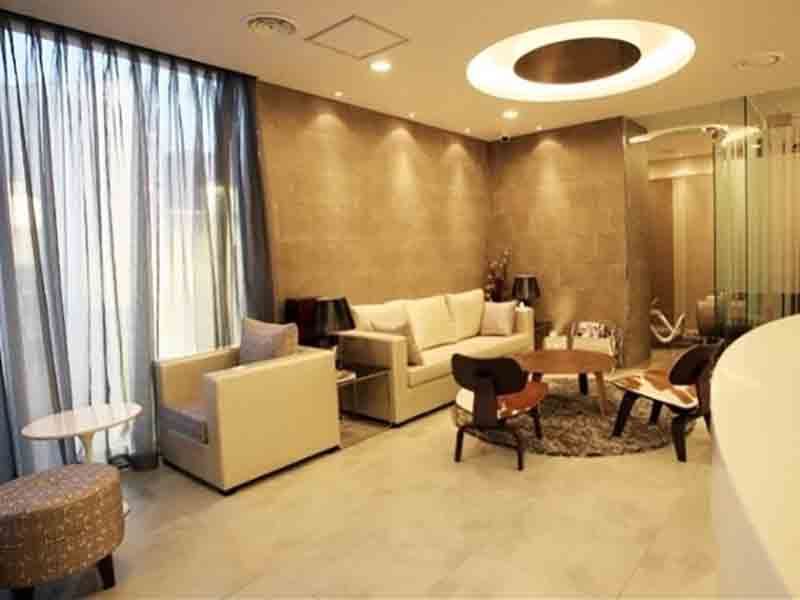
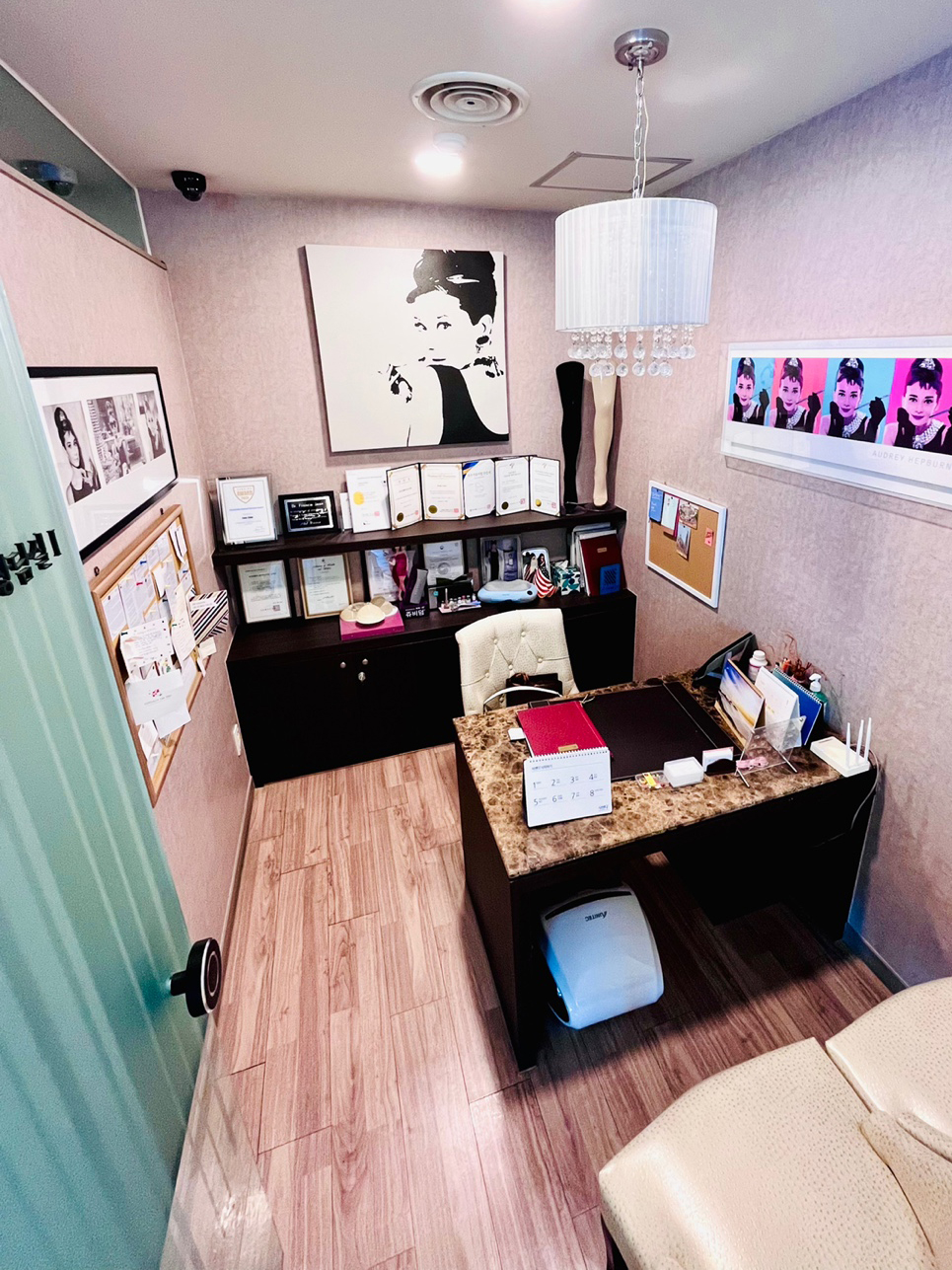
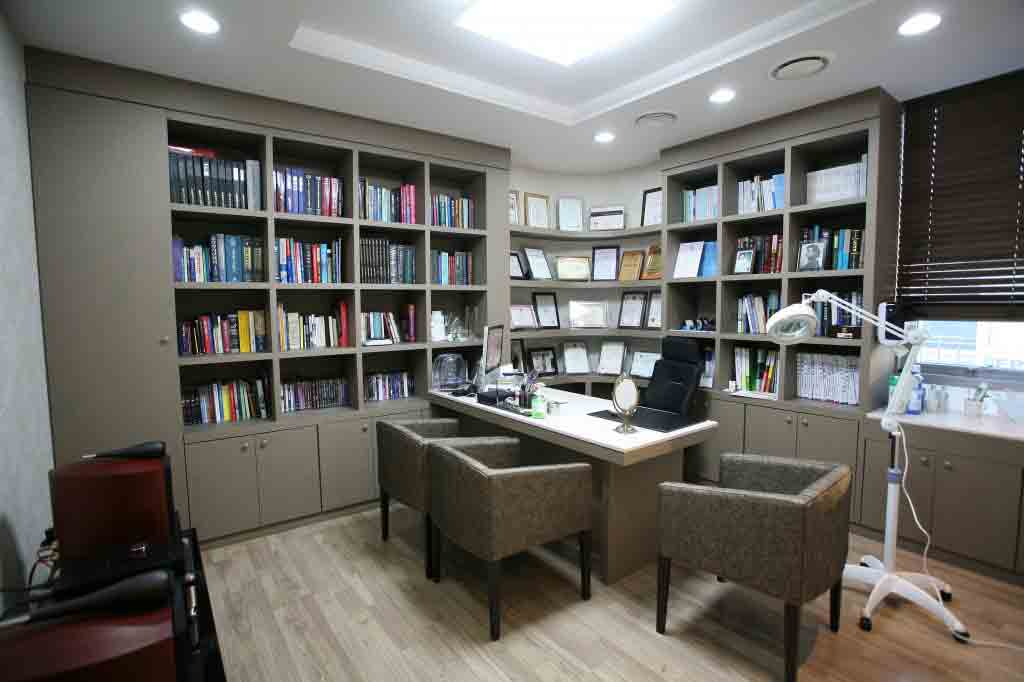
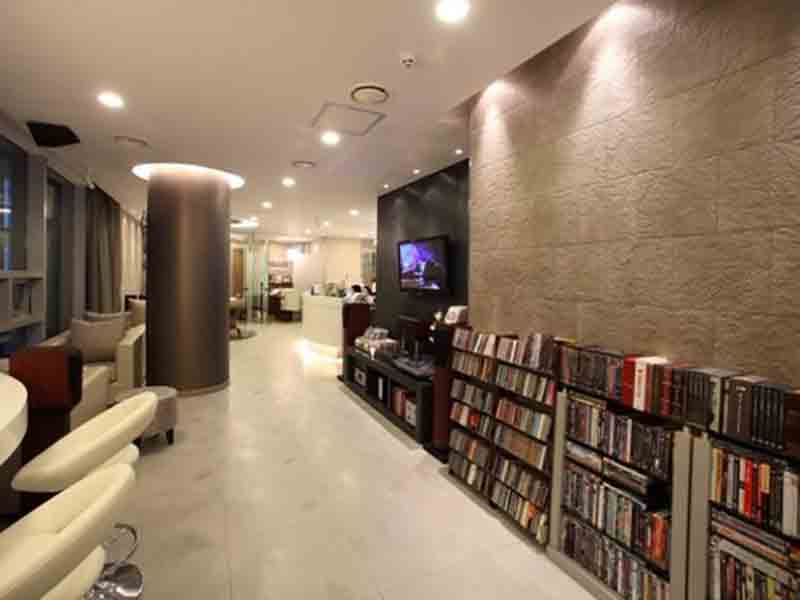

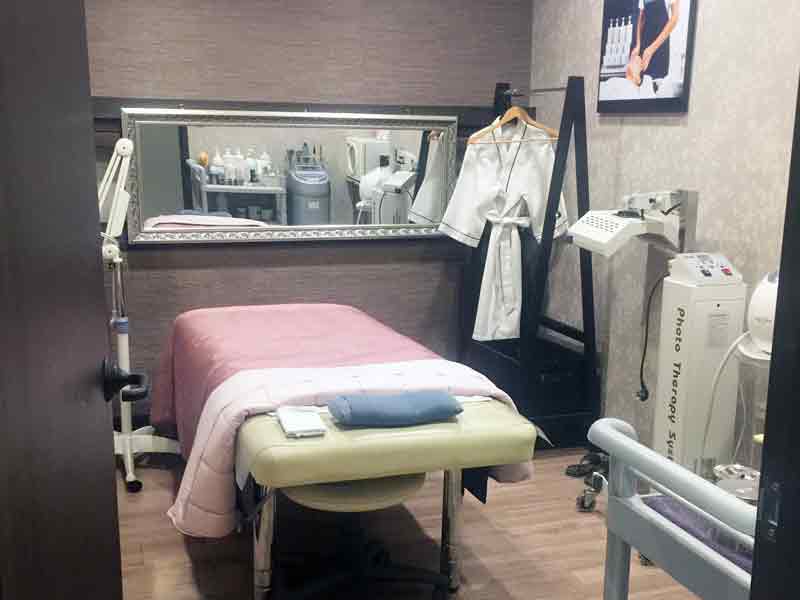
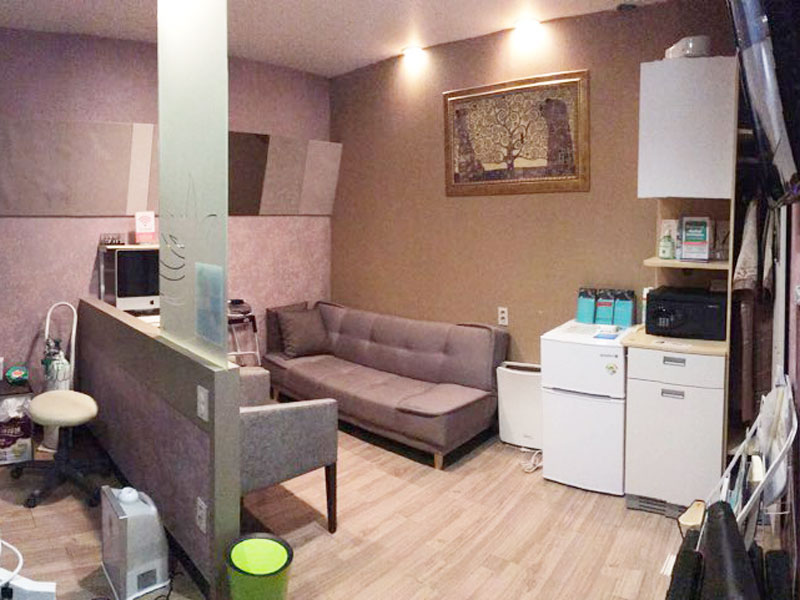
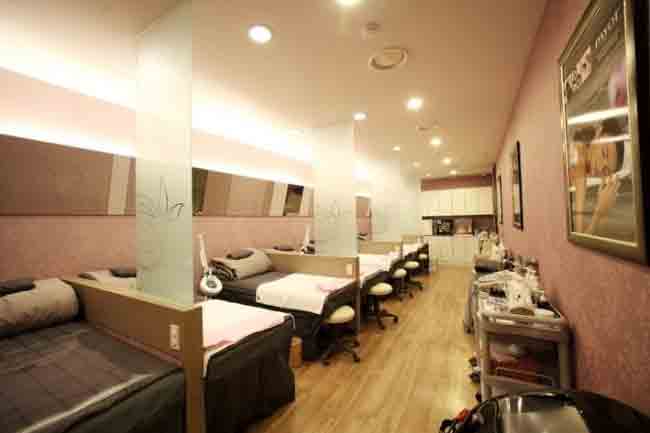
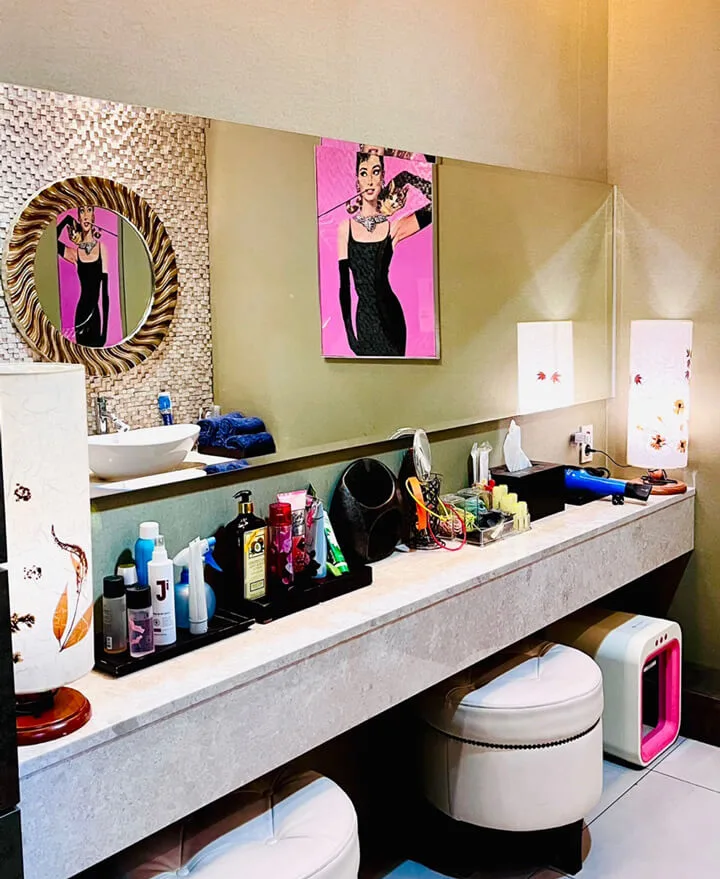
These photographs show representative clinic spaces. Furnishings and equipment placement may change over time.
Equipment Supports a Broader Standard of Care
Safe surgery depends on patient selection, the surgeon’s judgment, trained staff, sterile technique, monitoring, recovery protocols, and timely referral—not on a device alone.
Preoperative Assessment
Medical history, examination, body measurements, and appropriate tests guide surgical and anesthesia planning.
Continuous Monitoring
ECG, oxygen saturation, blood pressure, and other vital signs are monitored during sedation and recovery as appropriate.
Sterile Processing
Reusable instruments are cleaned, packaged, sterilized, and stored according to their material and intended use.
Emergency Readiness
Emergency equipment and transfer protocols support prompt response when care beyond the clinic is required.
Selected Systems Used at Evita Clinic
The following equipment is available for specific procedures, monitoring, instrument processing, and postoperative care. Actual use is determined by the patient’s procedure and clinical needs.
Surgical and Procedure Systems
Systems used for selected liposuction, vascular, imaging, electrosurgical, and fat-grafting procedures.
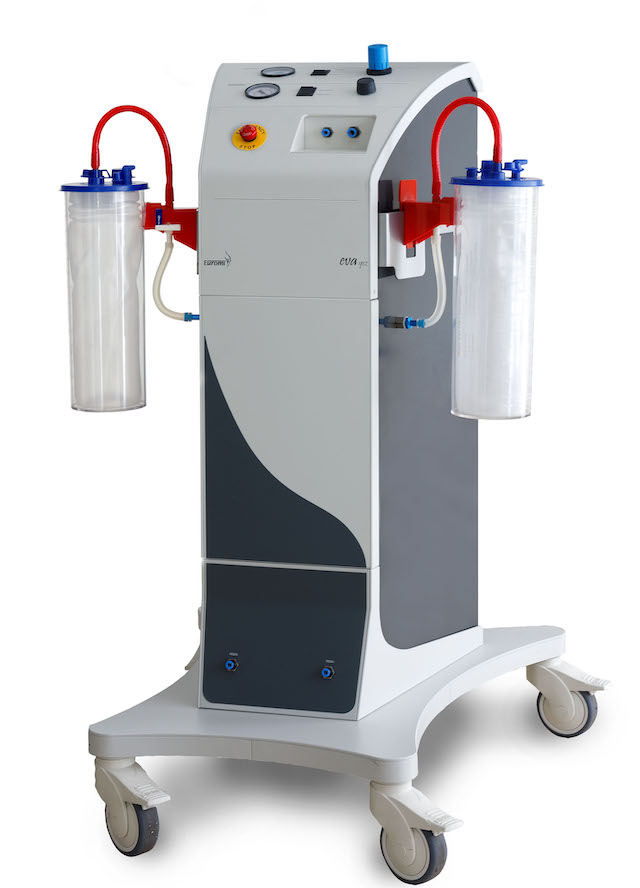
Euromi EVA sp 2
A vibration-assisted liposuction platform used to support controlled cannula movement during selected body-contouring procedures.
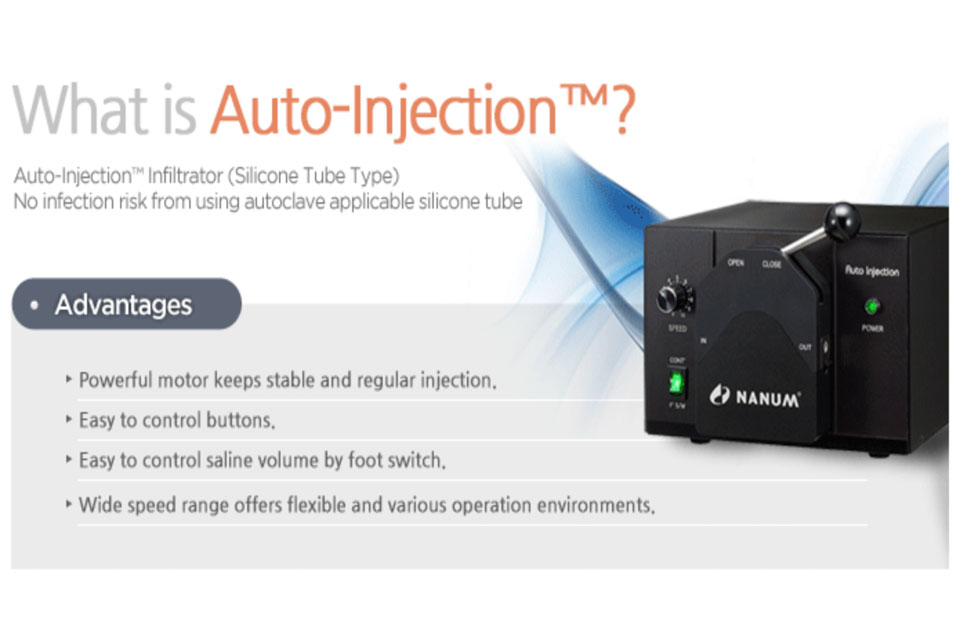
Tumescent Auto Injector
A powered infusion system for controlled delivery of tumescent solution during appropriate procedures.
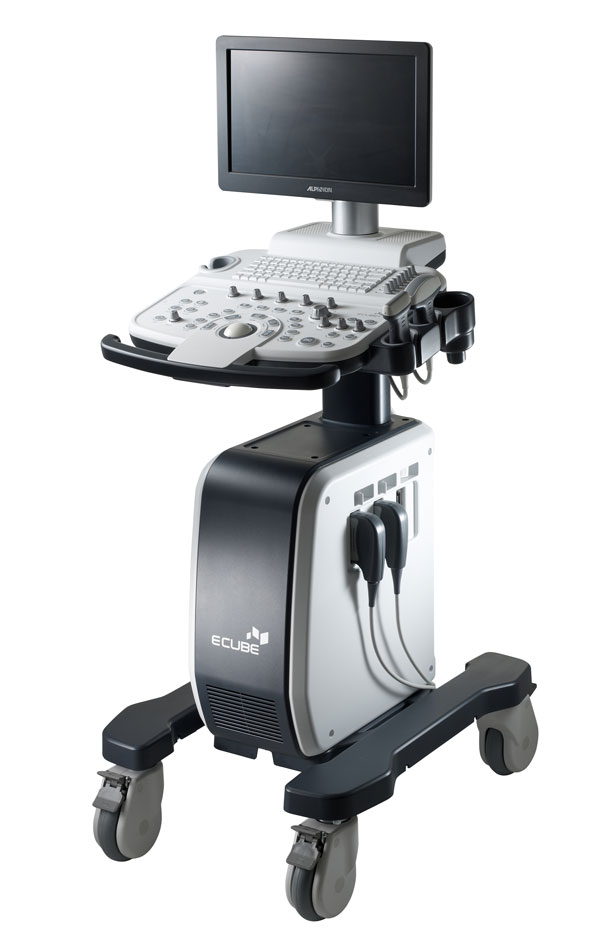
Alpinion Doppler Ultrasound
Diagnostic ultrasound used to assess soft tissue and blood flow when ultrasound evaluation is clinically indicated.
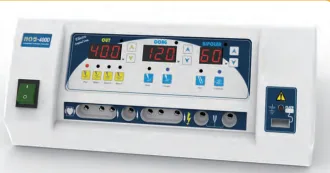
ICT-400D Electrosurgical Unit
A high-frequency surgical system used for tissue cutting and coagulation when appropriate.
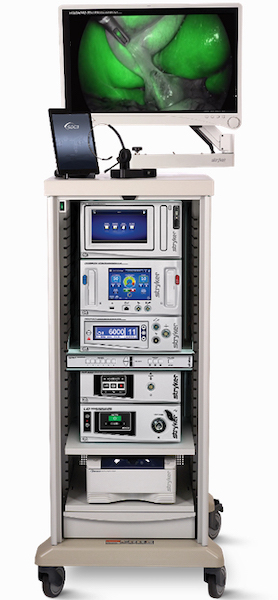
Stryker 1588 AIM
A high-definition camera platform for procedures in which endoscopic visualization is appropriate.
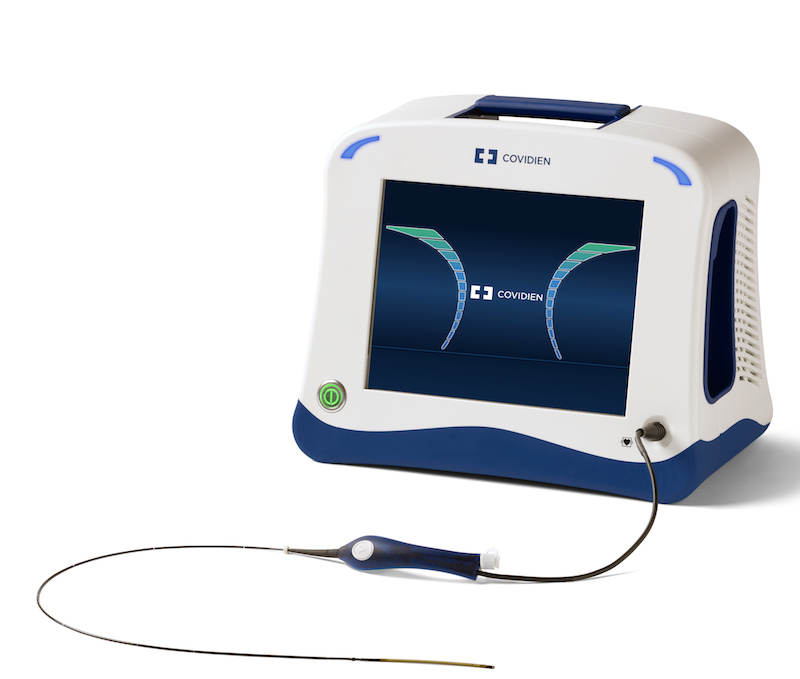
Medtronic ClosureFast
A radiofrequency catheter system for treating eligible superficial venous insufficiency.
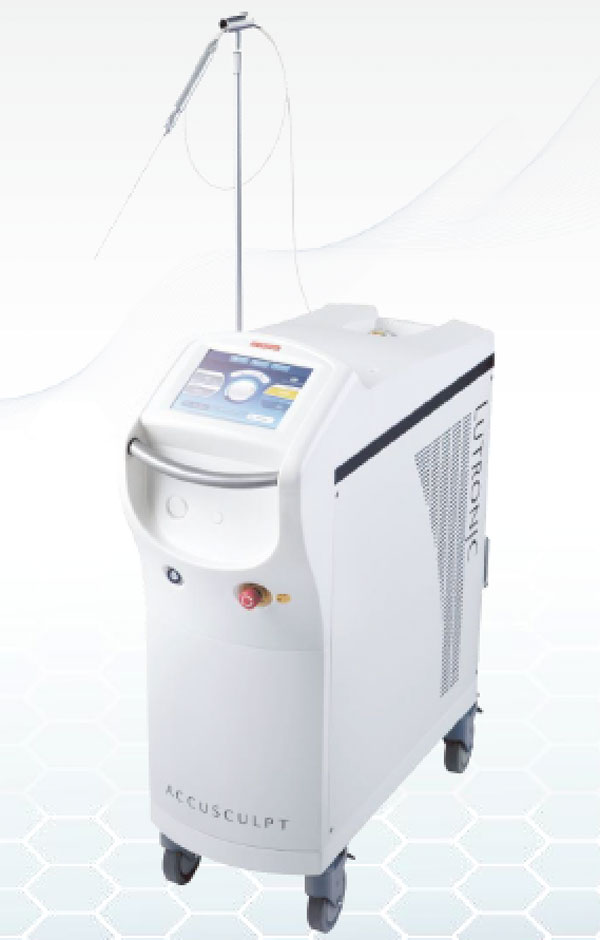
AccuSculpt II
A 1444 nm laser platform used only for selected indications; it does not replace standard surgical judgment or technique.
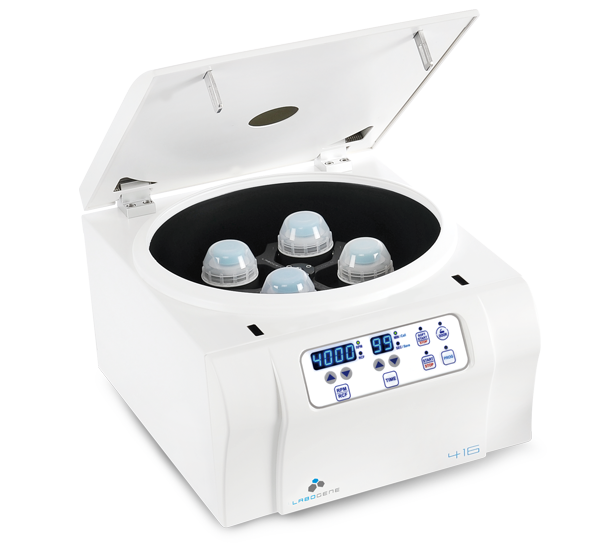
Low-Speed Centrifuge
Used in selected autologous fat-grafting protocols to help separate harvested tissue before injection.
Monitoring, Assessment, and Emergency Equipment
Equipment used to assess patients and monitor vital signs during procedures and recovery.
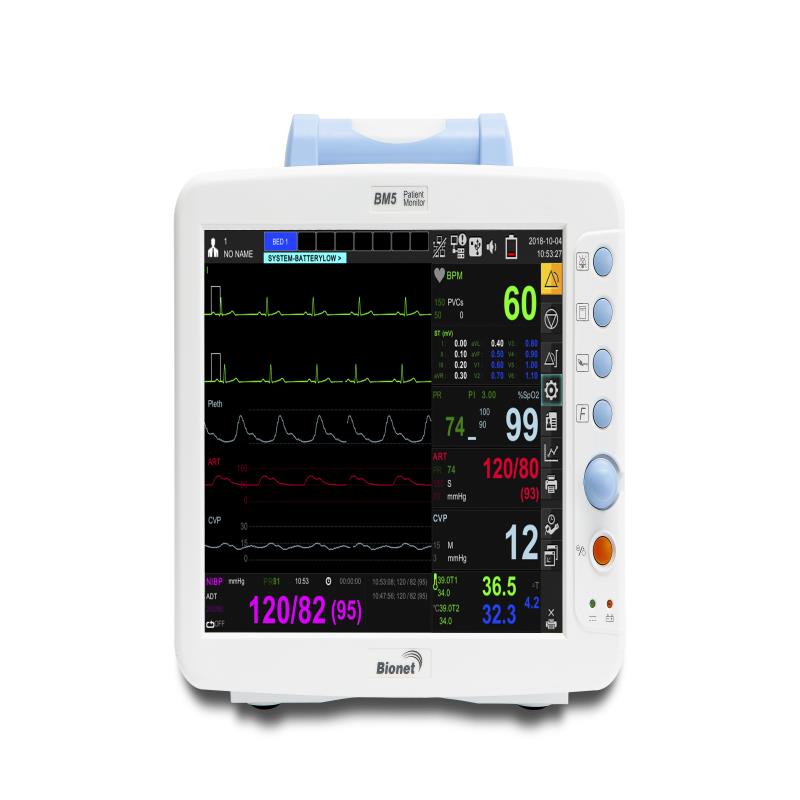
Bionet BM5 Monitor
A multiparameter system for monitoring ECG, oxygen saturation, blood pressure, respiration, and temperature as appropriate.
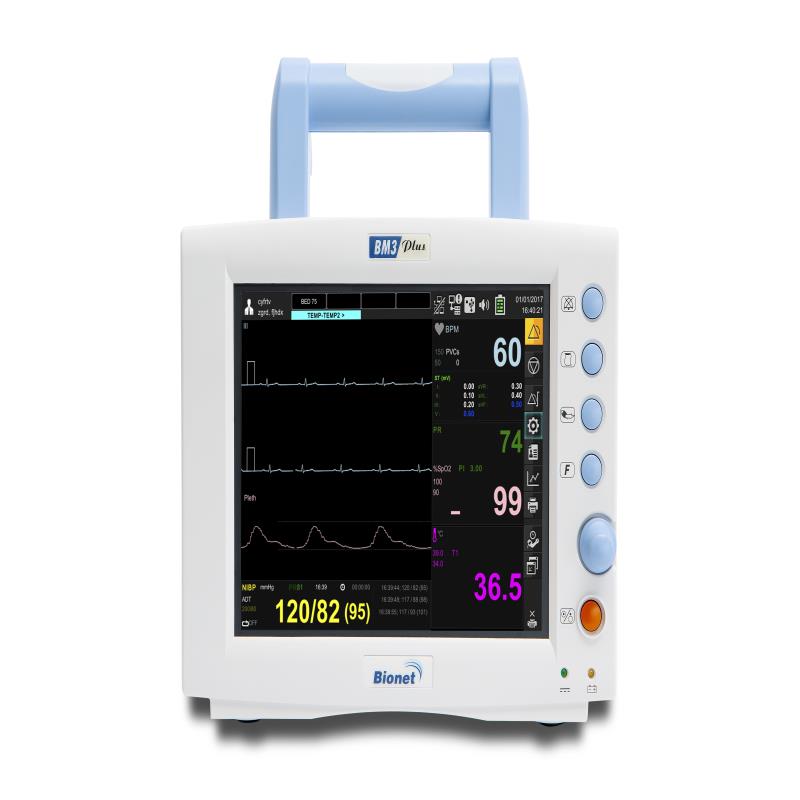
Bionet BM3 Monitor
A compact monitor for observing vital signs in procedure and recovery settings.
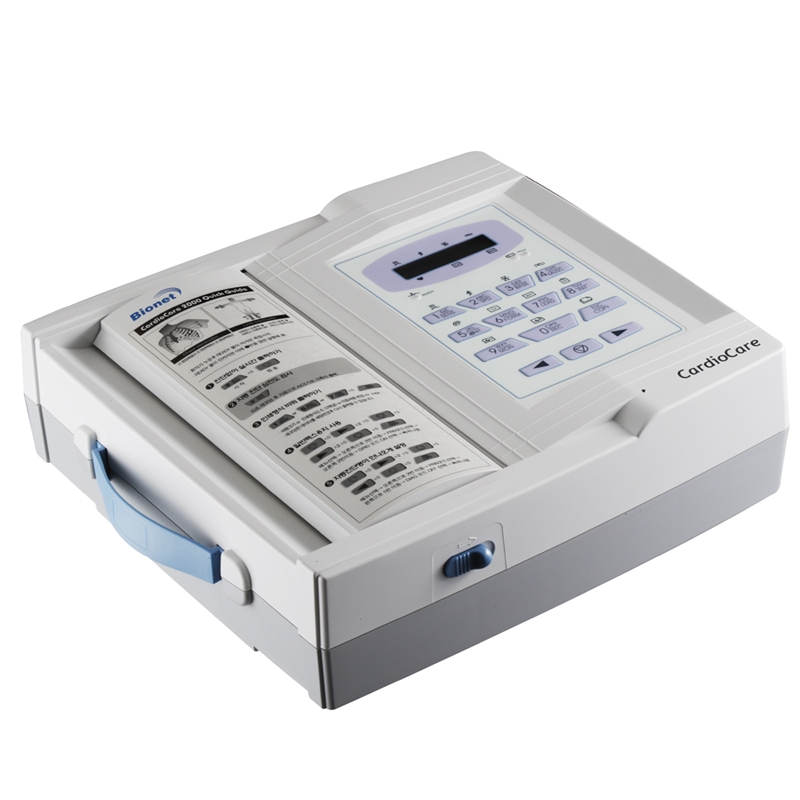
Cardiocare 2000 ECG
A 12-channel resting electrocardiograph used when preoperative or clinical cardiac assessment is indicated.
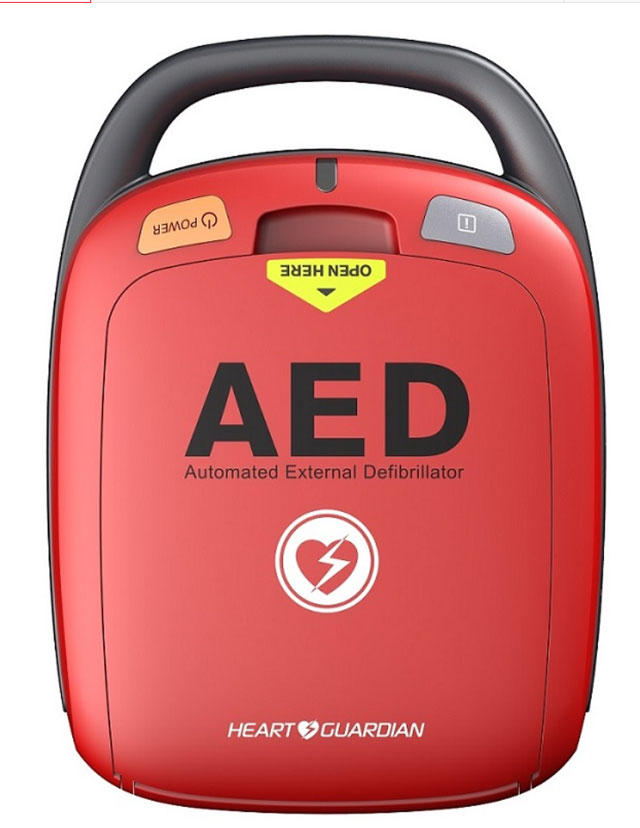
AED HR-501
An automated external defibrillator maintained as part of the clinic’s emergency-response equipment.
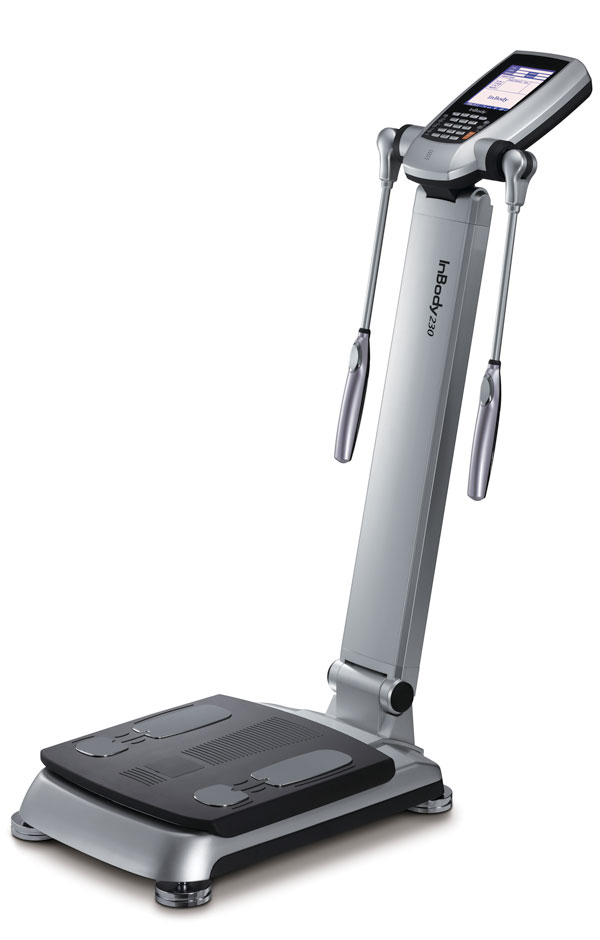
InBody 230
A body-composition analyzer that provides supplementary measurements; it does not determine surgical candidacy by itself.
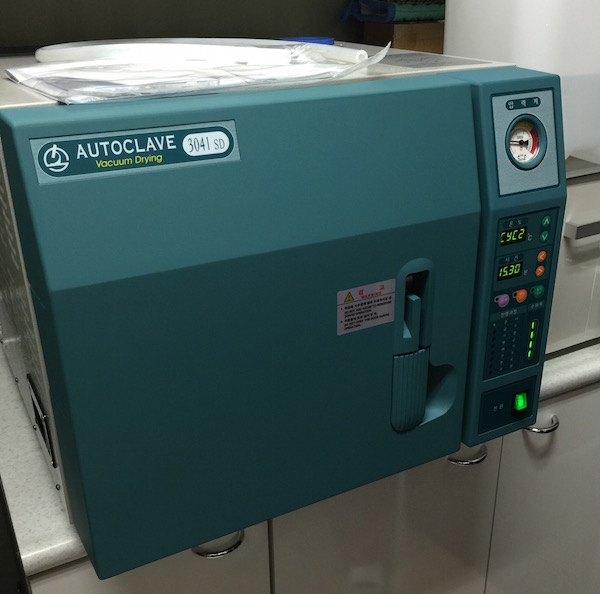
Steam Autoclave
Uses pressurized saturated steam to sterilize compatible reusable medical instruments.
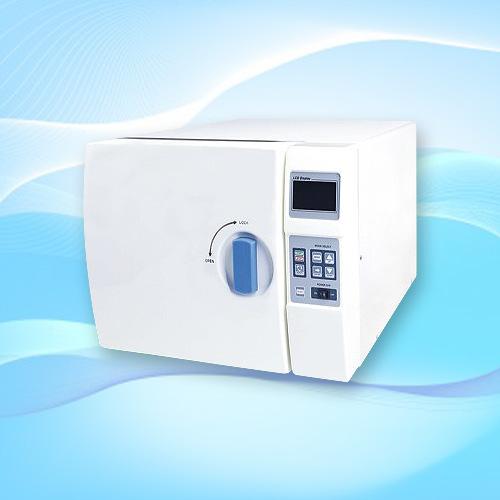
EO Gas Sterilizer
Used for compatible heat- or moisture-sensitive items that require a low-temperature sterilization method.
Postoperative and Adjunctive Care
Selected supportive treatments may be offered according to the operation, recovery stage, and skin condition.
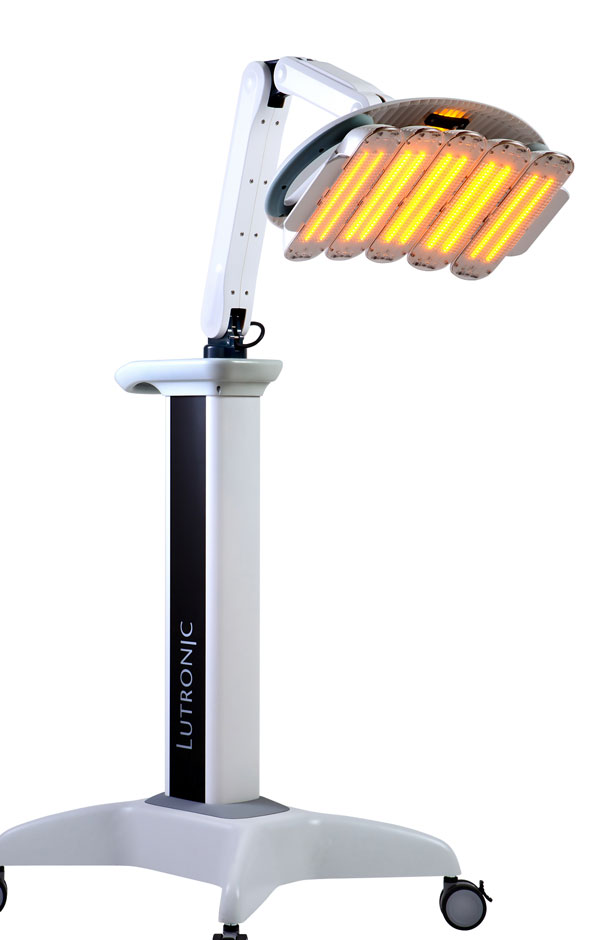
Healite 3 LED
A light-based adjunct used in selected postoperative care plans. It does not replace dressings, activity guidance, or medical follow-up.
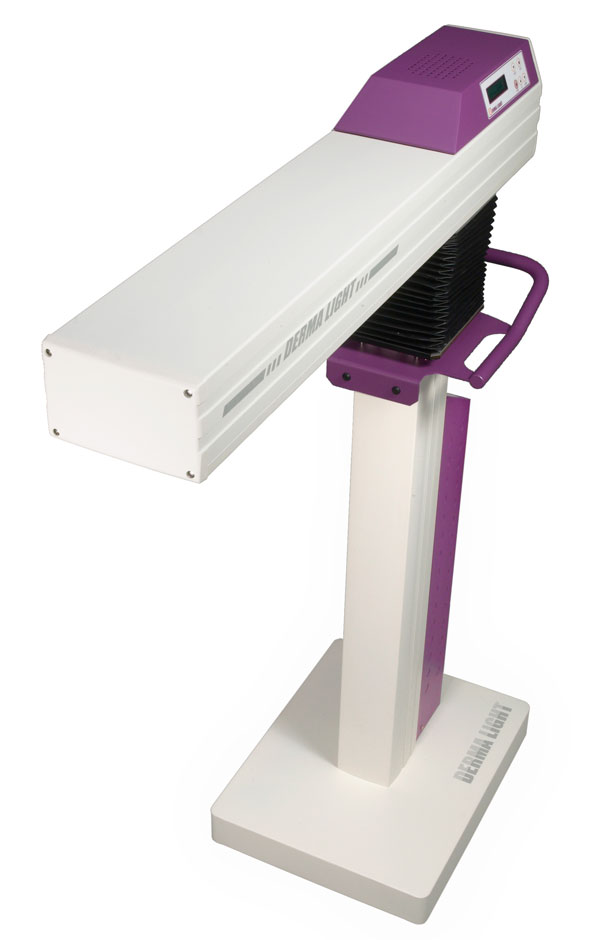
Dermalight LED
An additional light-based system used for selected skin and postoperative-care indications.
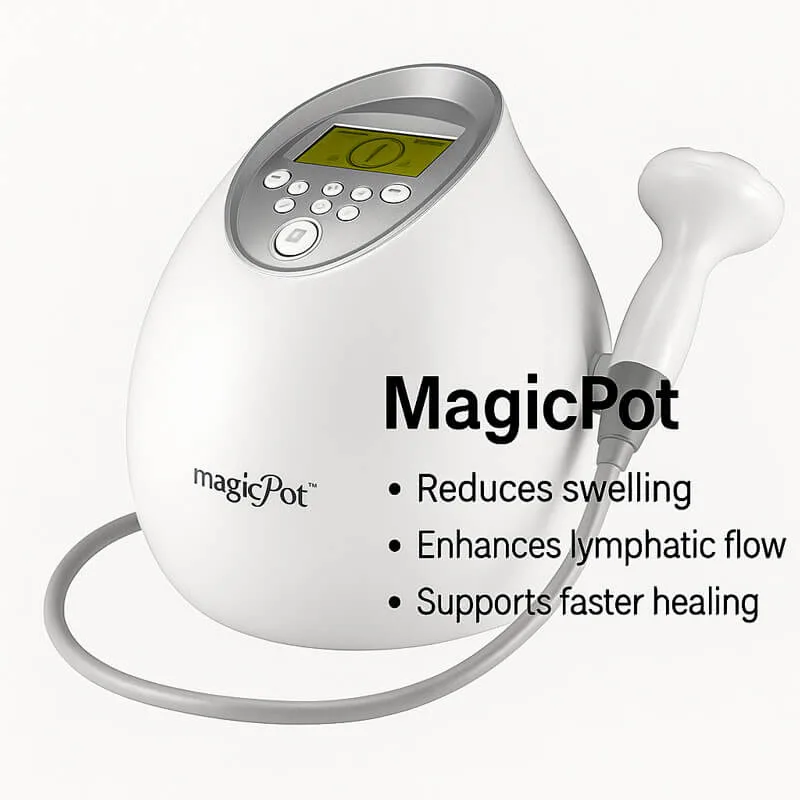
MagicPot RF & Mechanical Care
Used selectively for postoperative body care. Treatment is adjusted to the healing stage and is not suitable for every patient.
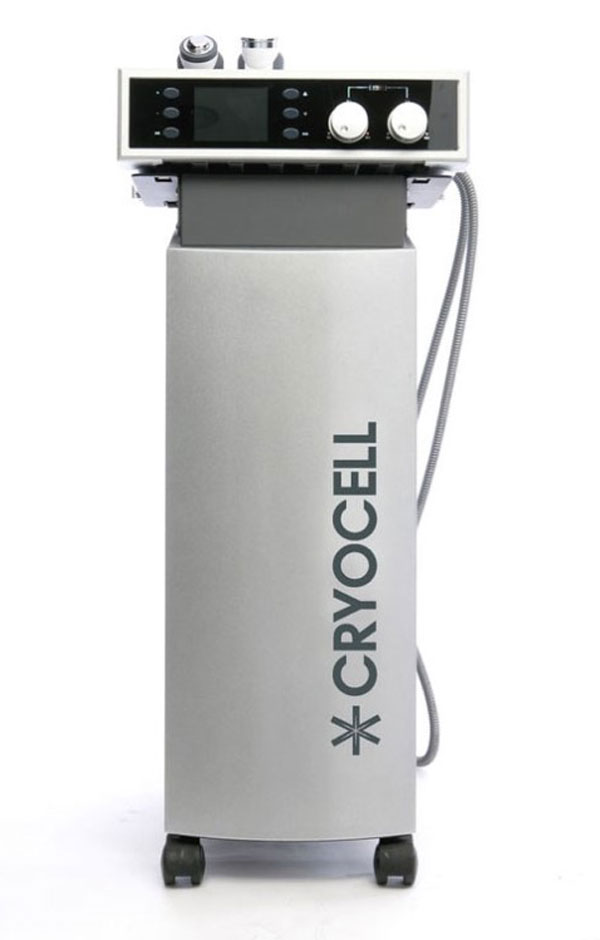
Cryo-Electrophoresis
A cooling and iontophoresis system used for selected supportive skin-care applications.
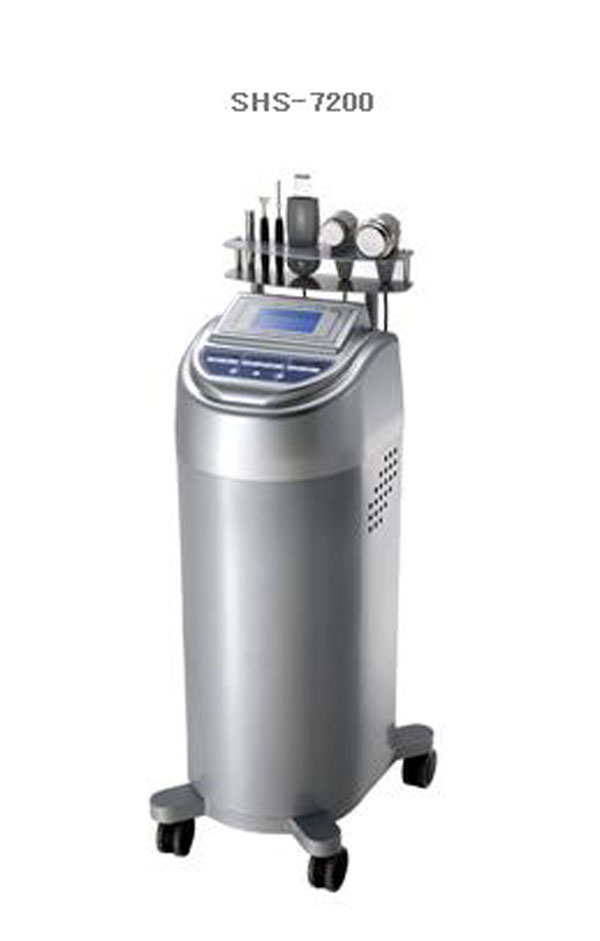
SHS-7200 Iontophoresis
Uses a mild electrical current for selected transdermal skin-care applications.
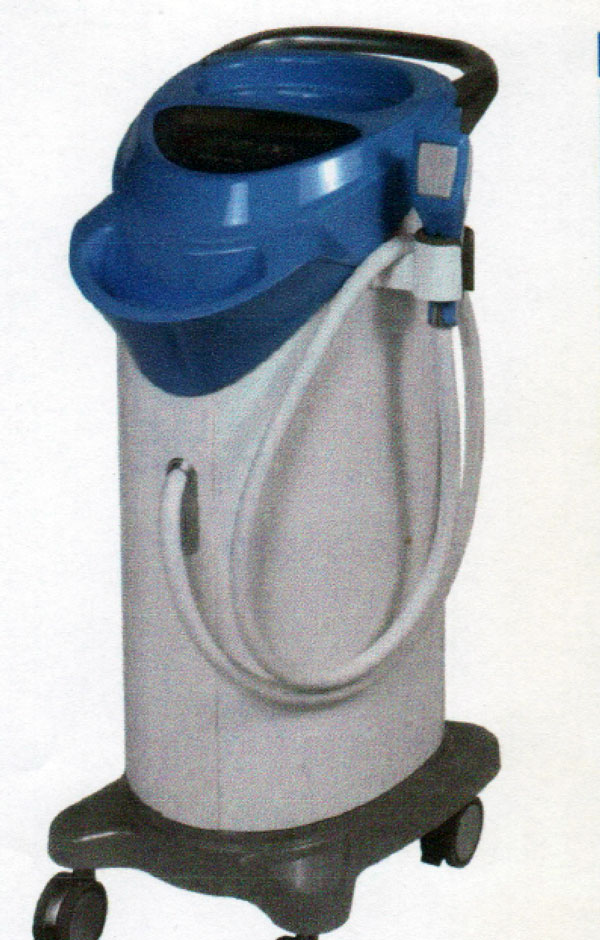
CoolSkin Contact Cooler
A contact-cooling device used to protect the skin and improve comfort during selected light- or laser-based treatments.
Laser and Skin-Care Systems
These systems support selected nonsurgical skin treatments and are separate from the clinic’s core surgical procedures.
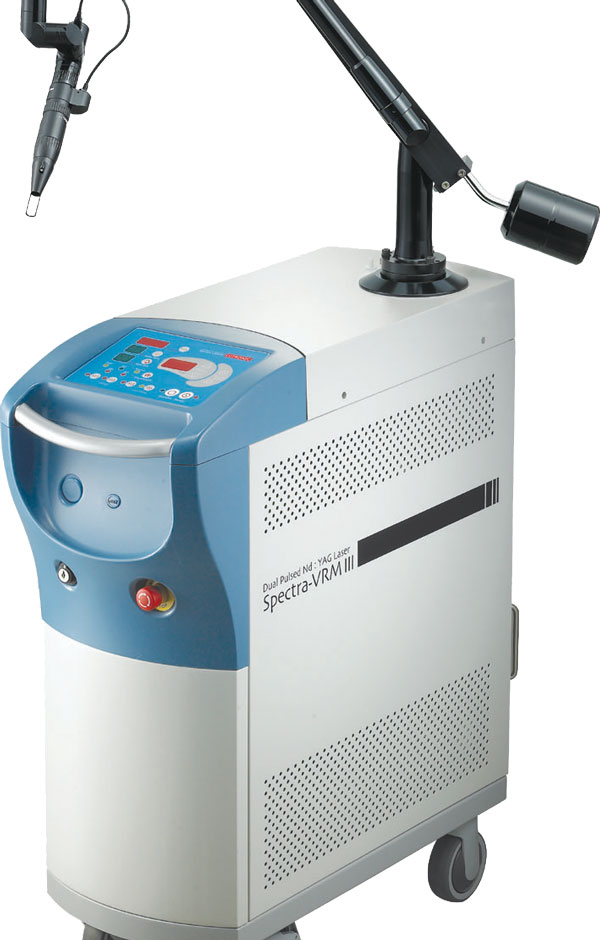
Spectra VRM III
An Nd:YAG laser platform used for selected pigmentation and skin-treatment indications.
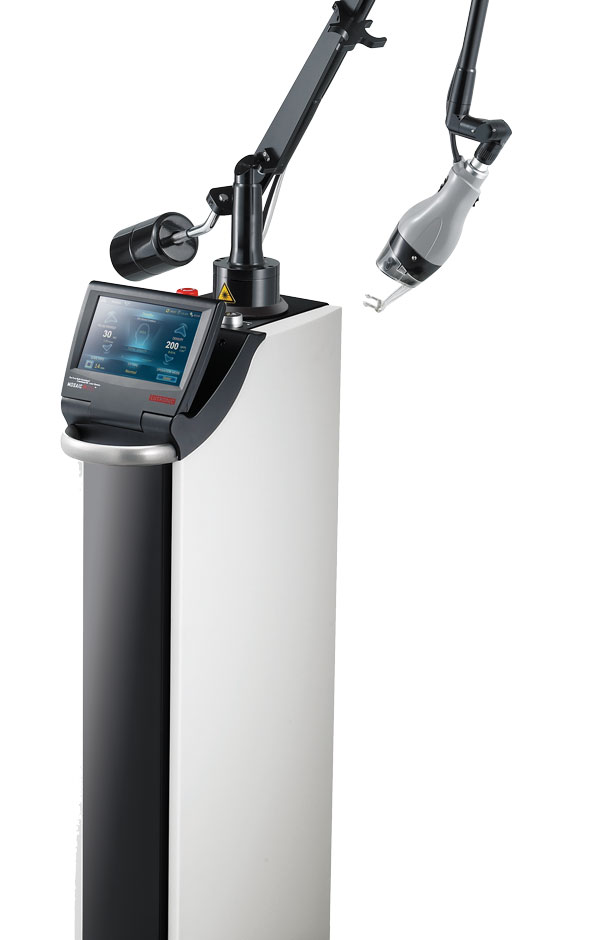
Mosaic eCO2
A fractional carbon-dioxide laser used for selected resurfacing and scar-care indications.
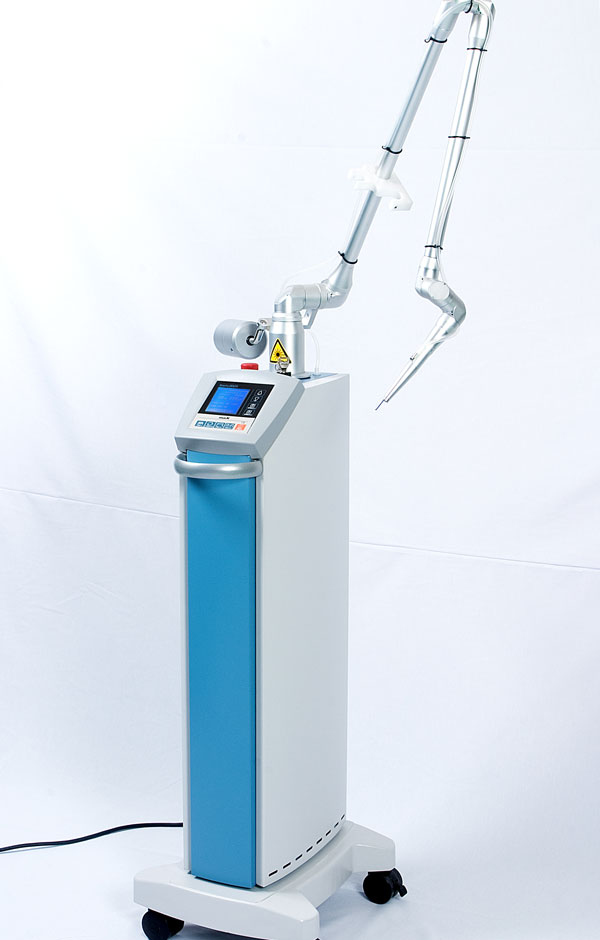
Spectra SP CO2 Laser
A carbon-dioxide laser system used for selected surgical and dermatologic applications.
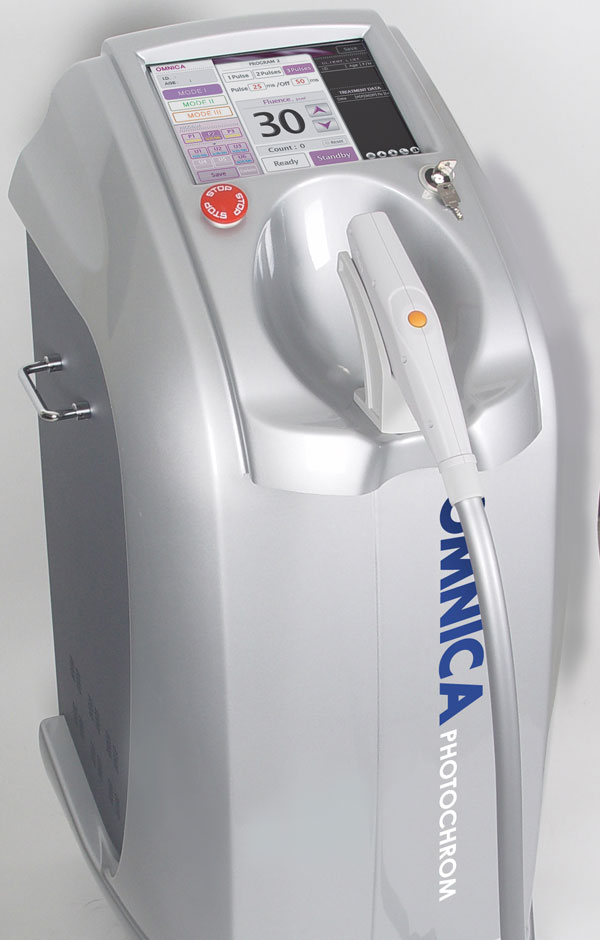
Omnica IPL
An intense pulsed-light system for selected hair, pigmentation, and vascular skin indications.
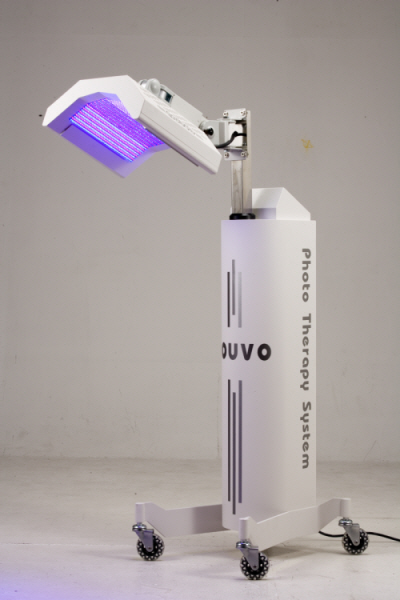
NOUVO PDT
A light-based platform used in selected photodynamic or supportive skin-care protocols.
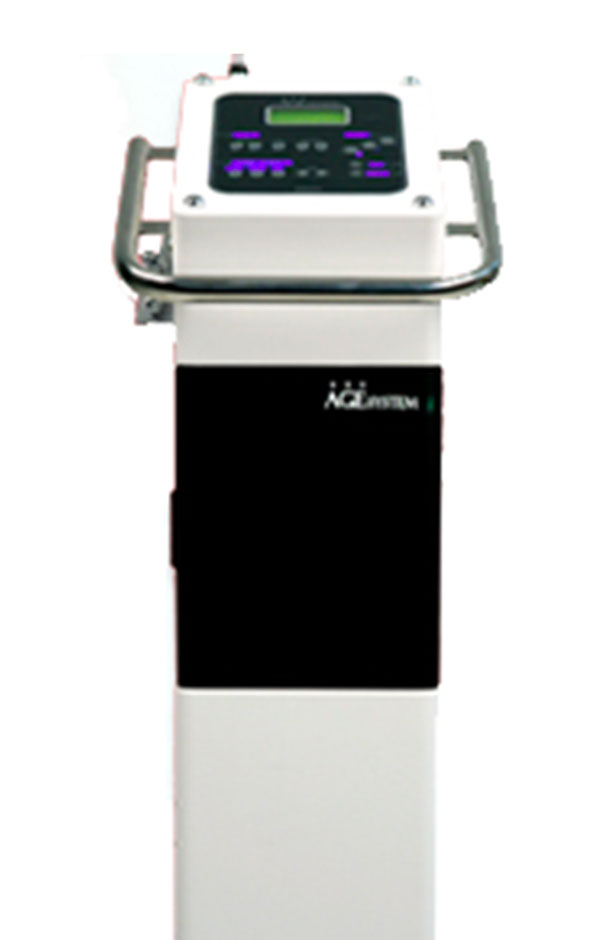
AquaPeel
A water-based cleansing and exfoliation system for selected nonsurgical facial care.
Important: Equipment availability does not mean that every device is used for every patient. Dr. Jeon and the clinical team select only the systems appropriate to the planned procedure, medical condition, and stage of recovery. No device can guarantee a specific result or eliminate surgical risk.
Sterilization and Emergency Planning
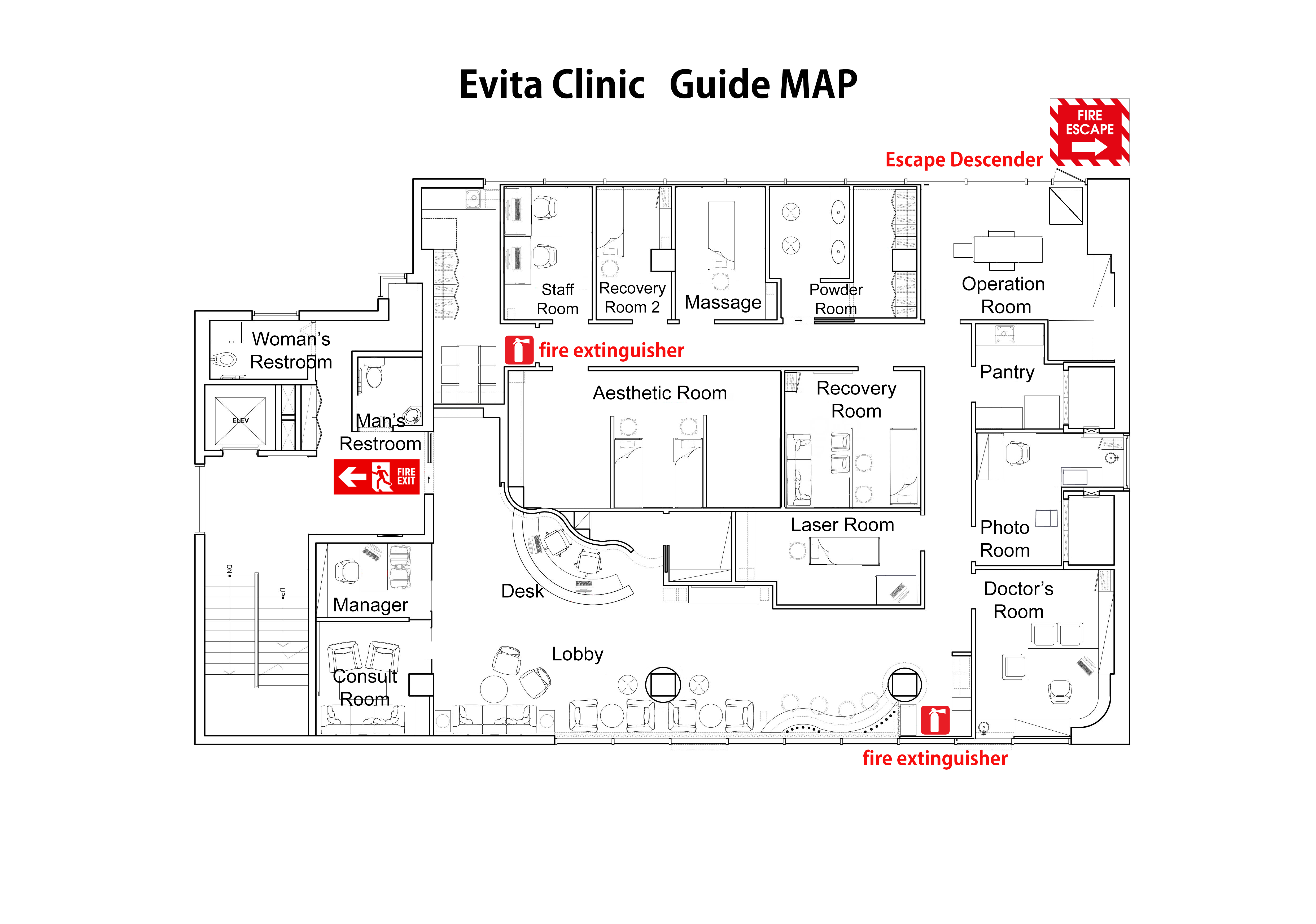
Evita Clinic is an outpatient surgical clinic. We maintain instrument-processing systems, patient monitors, emergency equipment, and a clinic evacuation plan. Staff monitor patients after surgery and assess readiness for same-day discharge.
If a patient requires hospital-level testing, treatment, or admission beyond the clinic’s scope, we arrange referral or emergency transfer to an appropriate medical center.
- Continuous vital-sign monitoring during monitored sedation
- Emergency medications, oxygen, suction, and AED readiness
- Steam and low-temperature instrument sterilization systems
- Marked evacuation routes, alarms, and fire-extinguisher locations
Frequently Asked Questions
Is Evita Clinic an inpatient hospital?
No. Evita Clinic is an outpatient surgical clinic. Patients recover under observation and are discharged the same day when they meet the clinical criteria. Procedures requiring planned inpatient hospitalization are not performed here.
Is every device shown on this page used for every operation?
No. Equipment is selected according to the procedure, the patient’s condition, and the stage of recovery. Some devices are used only for particular vascular, skin, or postoperative-care indications.
How are patients monitored during surgery?
Evita Clinic generally uses tumescent local anesthesia with monitored twilight sedation. ECG, oxygen saturation, and blood pressure are monitored continuously, with additional parameters used as clinically appropriate.
Does Evita Clinic schedule several operations each day?
No. The clinic intentionally schedules one main surgical patient per day so Dr. Jeon and the team can focus on that patient’s preparation, operation, recovery, and early postoperative care.
What happens if hospital-level care is needed?
The patient will be referred or transferred to an appropriate medical center. During the transfer process, Dr. Francis Jeon, a board-certified thoracic and cardiovascular surgeon, can provide initial emergency care using emergency medications and equipment, including a defibrillator, if necessary. Since Evita Clinic opened in 2009, no such emergency transfer has been required. Nevertheless, our team is fully familiar with the appropriate emergency response and transfer protocols.
Talk With Our International Care Team
Contact us for a surgical consultation, clinic directions, recommended nearby accommodation, or information about the recovery period in Seoul.
Replies during clinic hours: Monday–Friday, 10:00–18:00 KST. Closed Saturdays, Sundays, and Korean public holidays.