Gender Affirming Breast Augmentation
What Is MTF Top Surgery?
MTF top surgery, also called transfeminine breast augmentation or chest feminization surgery, uses breast implants to create a fuller and more feminine chest contour. At Evita Clinic in Seoul, the procedure is individually planned according to chest width, rib-cage shape, pectoral muscle thickness, existing breast development, skin quality, and the patient’s desired size and projection.
The goal is to create a chest that reflects the patient’s identity while maintaining proportion, structural stability, and long-term aesthetic balance.
Medical review: Francis Jeon, MD, Board-Certified Thoracic & Cardiovascular Surgeon
Last medically reviewed: July 19, 2026
Dr. Francis Jeon
Thoracic & Cardiovascular Surgeon
Dr. Francis Jeon is a board-certified thoracic and cardiovascular surgeon and the founder of Evita Clinic. Before establishing the clinic in 2009, he gained extensive experience in heart, lung, vascular, and chest-wall surgery at a leading university hospital. Since then, he has focused on chest and body-contouring procedures, including breast surgery, gynecomastia surgery, and gender-affirming top surgery.
His background in thoracic surgery provides a detailed understanding of chest-wall anatomy, pectoral muscle structure, vascular supply, and soft-tissue balance. In MTF top surgery, he applies individualized pocket design, proportion-based implant selection, and careful tissue handling to create a feminine chest contour while considering symmetry, implant coverage, scar placement, and long-term stability.
Dr. Jeon is a WPATH member and incorporates relevant principles from the WPATH Standards of Care Version 8 into informed consent, individualized assessment, and gender-affirming surgical planning.
Surgical Approach & Procedure Details
Surgical Techniques
Implant-Based Breast Feminization
Implant-based breast feminization is the primary technique used in MTF top surgery to create a fuller, more feminine chest contour. It is particularly appropriate for patients whose breast development from hormone therapy is limited and who desire additional projection and volume.
The procedure involves careful implant selection based on chest width, soft tissue thickness, and desired breast shape. Strategic pocket creation and balanced positioning are essential to achieve symmetry and long-term stability.
Recovery time: Approximately 1–2 weeks
Cost: Determined by implant type and individualized surgical plan
Implant Placement Options
Dual Plane Approach (Most Common)
In a dual-plane approach, the upper portion of the implant is covered by the pectoral muscle, while the lower portion lies beneath the breast tissue. This can provide smoother upper-pole coverage while allowing the lower breast to expand more naturally. It is often considered for patients with limited native breast tissue, but the final pocket and plane are selected according to tissue thickness, muscle anatomy, chest width, and desired contour.
• Improved upper pole transition
• Reduced visibility of implant edges
• Enhanced implant stability
Placement is selected based on anatomical structure and aesthetic goals.
Incision Options
Precision and Scar Management
Incision placement plays a critical role in surgical precision and long-term scar visibility. The most commonly used method is the inframammary fold incision, which allows accurate pocket creation and optimal implant positioning.
In selected cases, a periareolar incision may be considered when anatomy permits and adequate tissue is present.
• Inframammary fold incision (most common)
• Periareolar incision (selected cases)
• Scar placement planned for minimal visibility
Final incision choice is determined by chest anatomy, skin quality, and overall surgical strategy.
Same-Day Procedure
Structured Postoperative Monitoring
MTF top surgery at Evita Clinic is performed as a same-day procedure under monitored anesthesia care (MAC), using tumescent local anesthesia and intravenous sedation. General anesthesia is not used. Vital signs are continuously monitored throughout the procedure, and patients remain in the recovery area for approximately 4 to 6 hours before discharge. Patients are discharged only after they are fully alert and medically stable.
- Same-day outpatient procedure
- Tumescent local anesthesia with intravenous sedation
- Continuous monitoring during surgery and recovery
- Discharge after approximately 4–6 hours of observation
MTF Top Surgery Cost in Korea
Evita Clinic uses transparent fixed pricing in Korean won. The total price depends primarily on the selected Mentor® implant type rather than the patient’s gender identity. The surgical plan and implant dimensions are confirmed after evaluating chest width, soft-tissue thickness, existing breast development, and the patient’s desired proportions.
Breast Feminization Approach at Evita Clinic
At Evita Clinic, MTF breast augmentation is guided by structural precision and long-term aesthetic planning.
Each procedure is designed to achieve harmony between chest anatomy and feminine contour.
Personalized Surgical Design
Every surgical plan is customized based on:
- Chest width
- Rib cage shape
- Existing breast tissue
- Overall body proportions
The goal is to create a balanced, natural-looking feminine silhouette rather than focusing solely on volume.
Precise Implant Selection
Implant size, projection profile, and material are selected collaboratively after careful anatomical evaluation.
This ensures that the chosen implant enhances femininity while maintaining proportion, structural support, and long-term stability.
Meticulous Pocket Creation
Implant pockets are created with careful attention to symmetry, muscle dynamics, and tissue preservation.
Proper pocket design is critical to:
- Maintaining implant stability
- Preventing asymmetry
- Supporting natural contour development
Scar-Minimizing Technique
Strategic incision placement combined with refined suturing techniques promotes:
- Discreet scar positioning
- Smooth healing progression
- Improved long-term aesthetic outcome
1
Starting Your MTF Top Surgery Journey
Consultation
Choosing MTF top surgery is a significant decision that requires careful planning and professional evaluation.
During your consultation, Dr. Francis Jeon evaluates your chest anatomy, hormone therapy history, skin quality, and aesthetic goals. Based on this assessment, a personalized surgical plan is developed, including implant selection, incision strategy, and recovery preparation.
You will receive clear information about the procedure, expected outcomes, potential risks, and postoperative care to support informed decision-making in a respectful and confidential environment.

2
Enhancing Yourself Through Surgery
Operation
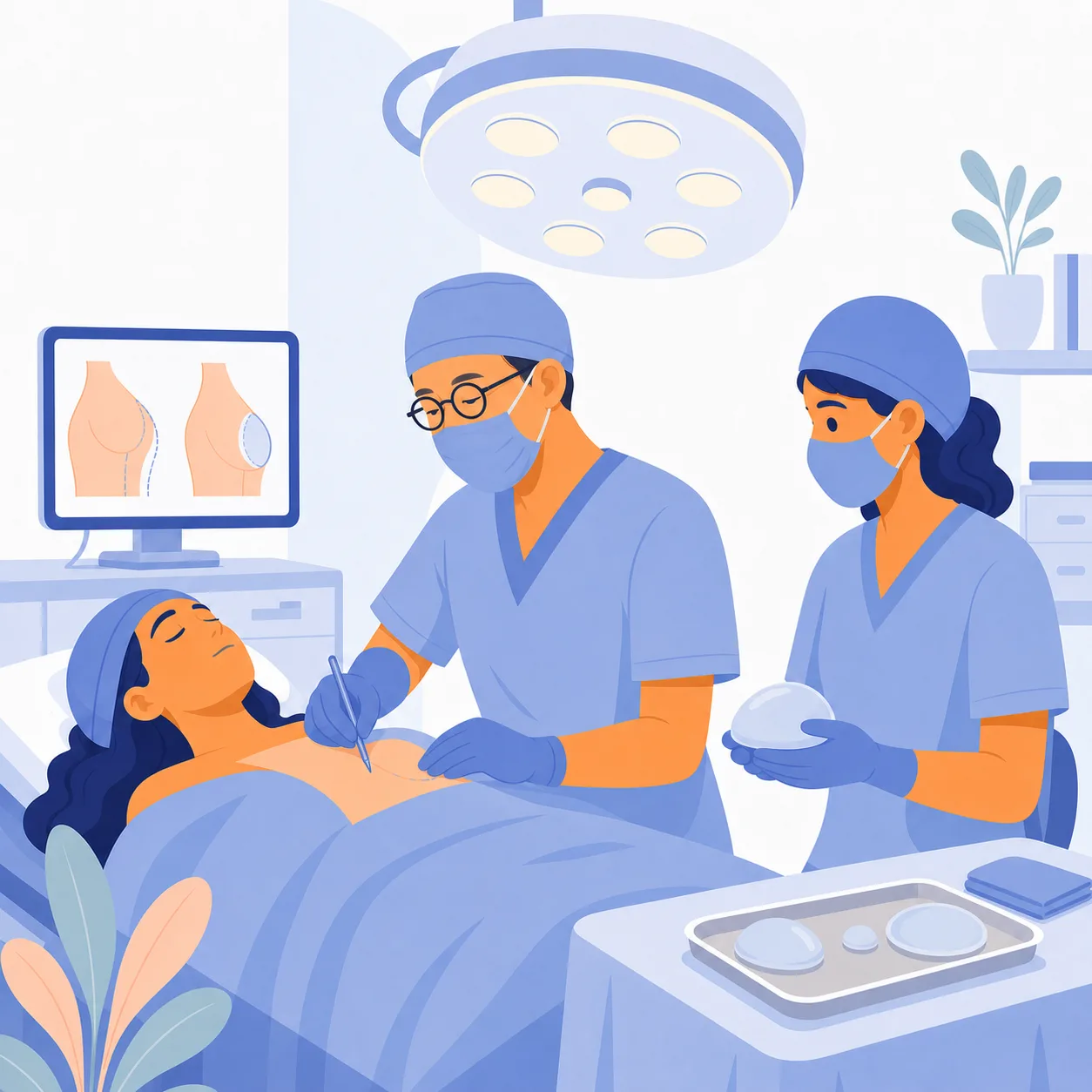
Patients are required to fast for at least 6 hours prior to surgery. The procedure is performed under Monitored Anesthetic Care (MAC) and typically takes approximately 2 to 3 hours.
Throughout the operation, vital signs are continuously monitored to ensure safety and stability. Surgical precision is prioritized to achieve balanced implant positioning and natural contour formation.
After surgery, patients remain in the recovery area for structured observation before discharge. Detailed postoperative instructions and a supportive compression garment are provided to promote healing and implant stabilization.
3
Embrace the Change
Recovery
Recovery is a gradual process focused on stable healing, comfort, and long-term aesthetic refinement.
Mild swelling, tightness, and temporary sensitivity are common during the first few days. Most patients are able to resume light daily activities shortly after surgery while avoiding strenuous movement.
Sutures are typically removed within 1–2 weeks, and structured scar management protocols are introduced early to optimize healing. Final breast shape continues to soften and settle over several months as swelling gradually subsides.
- Light daily activity: approximately 3–5 days
- Suture removal: approximately 10–14 days, when required
Avoid heavy lifting and upper-body exercise: approximately 4–6 weeks - Supportive garment: according to individual instructions
Initial implant settling: approximately 2–3 months - Recommended stay in Korea: at least 7 days; approximately 10 days when possible