
Osmidrosis Treatment at Evita Clinic
Persistent underarm odor is not simply a matter of hygiene. Axillary osmidrosis develops when secretions associated with apocrine glands are broken down by skin bacteria. Evita Clinic evaluates odor and sweating separately, then recommends treatment according to the main concern.

What is axillary osmidrosis?
Axillary osmidrosis, also called axillary bromhidrosis, is associated with apocrine glands concentrated in the underarms. Their secretions are initially largely odorless, but characteristic odor can develop after skin bacteria transform components of the secretion.
Symptoms often become more noticeable after puberty. Genetics can contribute; wet earwax and a family history are associated clues, but neither confirms a diagnosis by itself.
Because odor is subjective and can have other causes, treatment should follow a clinical assessment rather than a self-test alone.
Osmidrosis is not the same as hyperhidrosis
The conditions can occur together, but reducing sweat volume and reducing odor-producing gland-bearing tissue are different treatment goals.
Osmidrosis
The main complaint is a persistent, characteristic odor associated with apocrine secretion and bacterial breakdown.
Hyperhidrosis
The main complaint is excessive sweating. Treatment may include antiperspirants, medication, iontophoresis, or botulinum toxin. View hyperhidrosis treatment.
Other causes
Infection, inflamed hair follicles, hidradenitis suppurativa, medication, diet, and systemic conditions may require a different assessment or referral.
Start with the least invasive suitable option
Not every person with underarm odor needs surgery. The most appropriate option depends on symptom severity, previous treatment, skin condition, and whether odor or sweating is the dominant concern.
Hygiene and topical control
Regular washing, thoroughly drying the underarms, breathable clothing, hair management, antiperspirants, and selected topical antibacterial treatment may help mild symptoms. Effects continue only while the measures are used.
Botulinum toxin
Botulinum toxin mainly reduces eccrine sweating. Less moisture may indirectly reduce odor for some people, but it does not physically remove apocrine glands and its effect is temporary.
Surgical gland reduction
When odor remains significant despite conservative care, reducing apocrine gland-bearing tissue through small access incisions may provide a longer-lasting improvement. Complete removal and zero recurrence cannot be guaranteed.
MiraDry: Evita Clinic does not perform microwave-based MiraDry treatment. The clinic can explain the treatments it provides and whether an outside consultation would be more appropriate.
Jeon’s Triple Osmidrosis Treatment
Three complementary steps are used to reduce apocrine gland-bearing tissue through small underarm access incisions. Dr. Francis Jeon determines the exact treatment area and intensity after examination.
1444 nm laser-assisted disruption
AccuSculpt energy is delivered in the targeted subdermal layer to assist tissue disruption while the surgeon monitors cannula position and skin response.
Power-assisted suction
A vibration-assisted cannula helps separate and suction loosened subcutaneous tissue in a controlled pattern across the marked treatment area.
Jeon’s osmi rasp
A dedicated rasp is used for mechanical curettage of residual gland-bearing tissue close to the underside of the skin, completing the gland-reduction step.
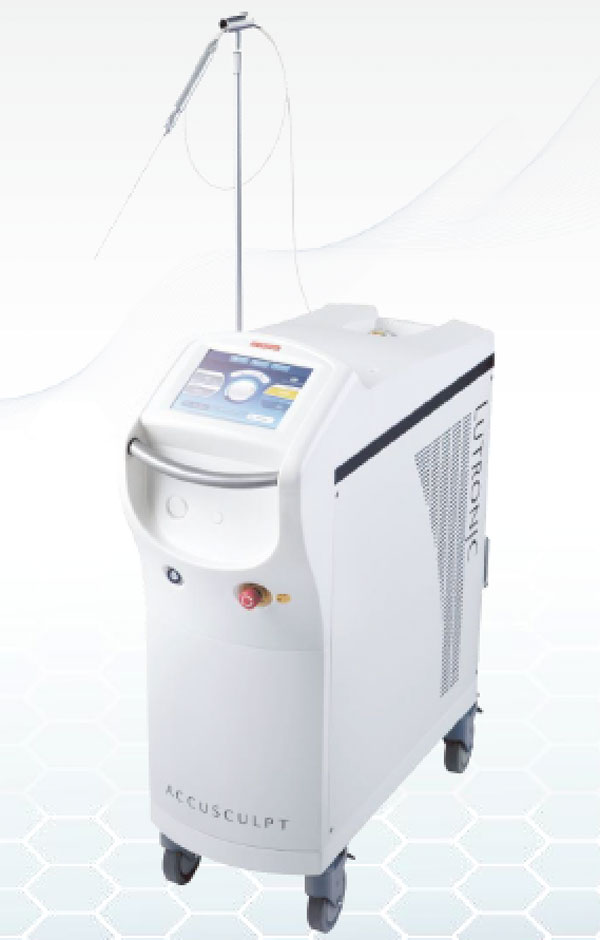
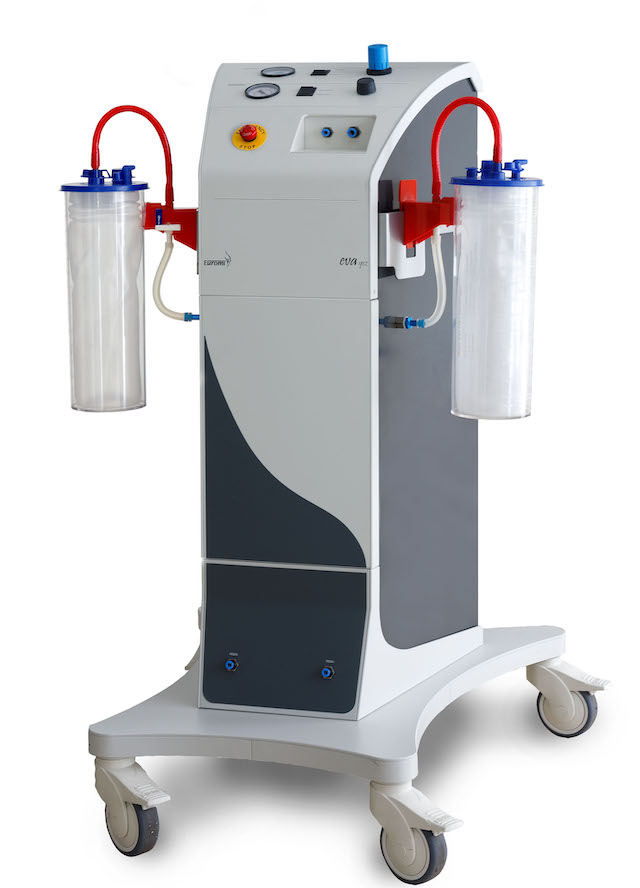
Important: “Triple” describes the three technical steps. It is not a promise of complete gland removal, permanent elimination of all odor, or freedom from complications.
What happens on surgery day?
The underarm hair-bearing and odor-producing area is assessed and marked. Tumescent local anesthetic is placed in the treatment layer, and monitored twilight sedation is used for comfort. The three surgical steps are then performed through small access incisions.
After hemostasis and closure, a pressure dressing or compression garment is applied. The patient rests in a recovery room and is discharged on the same day after appropriate observation.
| Surgeon | Dr. Francis Jeon |
|---|---|
| Typical time | About 1 hour; anatomy and treatment area can change this |
| Anesthesia | Tumescent local anesthesia with monitored twilight sedation |
| Incisions | Small access incisions placed in or near the axillary folds; exact number and length vary |
| Admission | No routine overnight admission |
| Compression | Pressure dressing or garment, commonly during the early healing period |
Current cost and recommended stay
All listed amounts are fixed surgical fees in Korean Won. Foreign-currency examples can change with exchange rates; payment is based on the KRW fee.
Final suitability is confirmed after consultation. If another diagnosis or treatment is more appropriate, the plan may change.
Healing is more than odor control
The treated tissue lies directly beneath thin underarm skin. Protecting skin circulation, controlling bleeding, and limiting shear during early healing are essential.
Observation and discharge
A pressure dressing or garment is applied. Light walking is encouraged, but the arms should remain relaxed.
Dressing and wound checks
Keep the dressing as instructed, avoid wide or repetitive arm movement, and attend scheduled clinic reviews.
Early wound review
Sutures are removed when appropriate. Supportive postoperative treatment may be provided according to healing.
Gradual softening
Tightness, firmness, bruising, altered sensation, or temporary limitation of shoulder movement should gradually improve.

Compression and arm movement
Pressure helps reduce the space in which blood or fluid can collect and supports contact between the thin skin flap and underlying tissue. The garment or dressing must be firm but should not cause severe pain, hand swelling, numbness, or color change.
Light daily activity is usually possible early, but lifting, vigorous upper-body exercise, repeated overhead reaching, and strong stretching should wait until the wound and skin circulation are stable.
The garment shown is representative. The exact product and duration are selected according to the treated area and postoperative findings.
Possible risks and limitations
Small incisions do not mean risk-free surgery. Removing tissue close to the underside of the skin must be balanced against preservation of skin circulation.
Seek urgent care: Evita Clinic is not an emergency medical facility. Severe or rapidly increasing pain, active bleeding, spreading redness, high fever, shortness of breath, fainting, or a cold, pale, blue, or markedly swollen hand requires prompt medical assessment. Do not wait for an online reply.
Osmidrosis FAQ
Is osmidrosis caused by poor hygiene?
No. Hygiene affects the amount of bacteria and odor on the skin, but persistent axillary osmidrosis is associated with apocrine secretion, bacterial metabolism, and genetic factors. Regular washing may help without fully controlling the condition.
Does wet earwax mean I definitely have osmidrosis?
No. Wet earwax and certain ABCC11 variants are strongly associated with axillary odor, but wet earwax is a clue rather than a stand-alone diagnosis. Symptoms and clinical assessment still matter.
What is the difference between osmidrosis and hyperhidrosis?
Osmidrosis is primarily an odor problem associated with apocrine glands and bacterial breakdown. Hyperhidrosis is excessive sweating, mainly involving eccrine sweat production. A patient can have one or both.
Can botulinum toxin treat osmidrosis?
Botulinum toxin mainly reduces sweating and may indirectly reduce odor in some patients by decreasing moisture. It does not physically remove apocrine glands, and the effect is temporary.
Is the Triple treatment permanent?
The removed or destroyed gland-bearing tissue does not simply regenerate in full, so improvement may be long-lasting. However, not every gland can be removed safely, and residual or recurrent odor is possible. Evita Clinic does not promise permanent elimination.
How large are the scars?
The treatment is performed through small access incisions placed in or near the underarm folds. Exact size and number vary. Every incision leaves a scar, and scar color, width, and texture differ among patients.
Is general anesthesia or hospital admission required?
At Evita Clinic, the procedure is generally performed with tumescent local anesthesia and monitored twilight sedation. Routine overnight admission is not required; patients recover under observation before same-day discharge.
When can I shower and return to work?
Shower timing depends on the dressing and early wound check. Desk-based work may be possible sooner than work involving lifting or repeated arm movement. Follow the individualized instructions rather than a fixed calendar alone.
Does Evita Clinic perform MiraDry?
No. Evita Clinic does not perform MiraDry. Available treatment can be discussed during consultation, and an outside evaluation may be recommended when another modality is more suitable.
How long should an international patient stay in Korea?
The published minimum stay is 3 days and the recommended stay is 7 days. Seven days provides better access to early dressing, skin-circulation, wound, and compression review. Patients leaving earlier may need pre-arranged local follow-up.

Dr. Francis Jeon
Dr. Jeon is a board-certified thoracic and cardiovascular surgeon and the founder of Evita Clinic in Seoul. He personally evaluates, plans, and performs osmidrosis surgery. His approach aims to reduce gland-bearing tissue while balancing odor improvement, skin circulation, scarring, and recovery.
Learn more about Dr. Francis Jeon
Last medically reviewed: July 22, 2026
Discuss persistent underarm odor privately
Send your age, main concern, symptom duration, previous treatments, medical conditions, medications, smoking status, and preferred travel dates. Photos alone cannot confirm odor severity, so an in-person assessment is important.
Replies during clinic hours: Monday–Friday, 10:00–18:00 KST. Closed Saturdays, Sundays, and Korean public holidays.