When Can I Start Exercising After Gynecomastia Surgery?
Recovering from gynecomastia surgery requires patience and careful post-operative care. Swelling, bruising, and temporary skin irregularities are all part of the natural healing process. To ensure a smooth recovery, proper wound care, medication adherence, and consistent use of your compression garment are all essential steps.
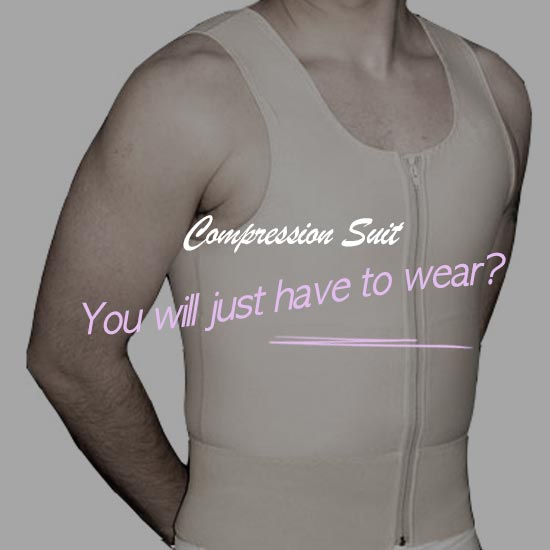
The compression vest plays a critical role in minimizing swelling, promoting skin retraction, and preventing fluid buildup. It should be worn 24 hours a day for the first two weeks, then at least 12 hours a day for another 2 to 4 weeks. In cases of grade 3 or higher gynecomastia requiring periareolar resection or an Anchor incision, wearing the compression garment 24 hours a day for at least one month is strongly recommended to ensure optimal healing and minimize complications.
To maximize effectiveness, keep the compression garment flat and smooth against your skin—check and readjust frequently to prevent folding or creasing, which can create uneven pressure and affect your results.
Key Guidelines for a Smooth Recovery
- Rest & Initial Care: A full day of rest is recommended within the first 24 hours. Focus on hydration and easily digestible meals. If there is any fluid leakage, place a fresh sterile gauze over the original dressing without removing it—the wound must remain protected from contamination.
- Medication & Pain Management: Take all prescribed medications three times daily after meals for seven days. Avoid aspirin or aspirin-containing products unless your surgeon has specifically approved them.
- Showering & Hygiene: Showering is permitted 2–3 days after surgery, provided waterproof bandages or medical glue have been applied to the incision areas. Hot baths, saunas, and swimming must be avoided for at least two weeks.
- Compression Garment: Wear your compression vest 24 hours a day for the first two weeks, then at least 12 hours a day for another 2–4 weeks. Consistent use significantly improves overall results.
- Diet & Lifestyle: Resume a normal diet, but avoid alcohol and overly salty foods, as both can worsen swelling.
- Healing Expectations: Some degree of asymmetry, firmness, and bruising is normal during the healing phase—these are temporary and will gradually improve.
- Sleeping Position: Sleep on your back with your upper body slightly elevated to reduce swelling and minimize the risk of post-operative bleeding.
- Light Movement: Gentle walking is encouraged from early on to promote circulation and support recovery. Mild stretching or gentle yoga may also be introduced in the early stages.
⚠ Warning Signs: Contact your surgeon immediately if you experience persistent pain, high fever, excessive itching, or yellowish discharge from the incision site within 3–4 days of surgery.
Post-Surgery Exercise Timeline
After 3 Days — Gradually Returning to Activity
By the third day after surgery, you can begin resuming light daily activities. Showering is now permitted as long as waterproof bandages are applied to the incision areas. Most patients are able to return to sedentary desk jobs within a week, provided they avoid any strenuous movements.
For exercise, stick to low-impact activities such as walking or very light jogging. These help promote circulation and reduce complication risks without placing undue strain on healing tissues. Listen to your body carefully, and avoid any movements that directly engage the chest muscles.
After 1 Week — Resuming Daily Activities
By the end of the first week, you can slowly return to normal daily activities—though dedicated exercise should still be avoided. If your job involves moderate physical labor, you may return with caution, but you must avoid heavy lifting or strenuous upper body movements that could stress the healing area.
Walking and gentle everyday movements are still your best tools at this stage for promoting circulation and preventing stiffness. If you notice any discomfort or increased swelling, rest and scale back your activity level.
After 2 Weeks — Introducing Gentle Movement
Two weeks after surgery, you may begin incorporating light stretching and gentle movements into your daily routine. Activities such as basic stretching, light yoga, and gentle self-massage can improve circulation and flexibility while preventing stiffness. However, heavy lifting and any chest-focused resistance exercises must still be avoided to protect the healing tissues.
If your job involves moderate physical labor, continue to proceed with caution and avoid lifting heavy objects. If you feel discomfort or notice increased swelling, allow more time before progressing to more demanding activities.
After 4 Weeks — Safely Returning to Exercise
Once you have passed the four-week mark, you can gradually begin introducing more intense exercise. Activities such as strength training, push-ups, swimming, and running can be reintroduced at this stage—but it is essential to increase intensity slowly and avoid overloading the chest area.
While the risk of bleeding or infection is significantly lower at this point, pushing chest muscles too hard too soon can cause surgical scars to widen or develop into hypertrophic (thickened) scars. To minimize this risk, it is strongly recommended to use steri-strips or silicone scar sheets over the incision area during exercise.
Begin with low resistance and controlled movements, and increase intensity gradually based on how your body responds. If you notice any tightness, pulling, or discomfort around the scar, scale back and allow more healing time. Proper warm-up, stretching, and scar protection are essential for a safe return to full activity.
The Importance of Chest Exercises
To prevent sagging and maintain a firm, well-defined chest contour, targeted exercise after gynecomastia surgery is just as important as post-surgical care. Strengthening the right muscle groups will help support the skin and enhance chest definition long-term. Because every patient’s recovery timeline differs, we strongly recommend consulting with Evita’s staff before beginning any exercise routine to ensure it is safe and appropriate for your stage of healing.
Key Muscles to Focus On
Two major muscle groups play a crucial role in chest structure and appearance after gynecomastia surgery:
Pectoralis Major (Chest Muscle)
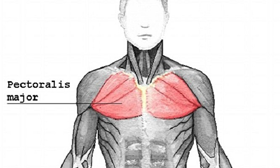
The pectoralis major is a thick, fan-shaped muscle central to chest structure, arm movement, and upper body strength. Strengthening it after gynecomastia surgery is especially important for enhancing chest firmness and definition while preventing sagging. In cases of grade 3 or higher gynecomastia, where significant tissue removal can leave the skin looser, developing the pectoral muscles helps restore volume and support the overlying skin, creating a more sculpted chest contour.
It is also worth noting that many gynecomastia patients have underdeveloped pectoral muscles—the glandular tissue acts as a physical barrier that inhibits proper muscle engagement over time. After surgery removes that barrier, targeted strength training becomes essential to build a more structured, well-defined chest and improve posture.
Serratus Anterior (Boxer’s Muscle)
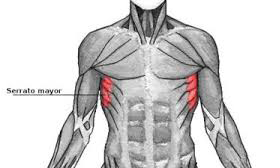
The serratus anterior runs along the sides of the ribcage and plays a key role in arm movement and shoulder stability. Often called the “big swing muscle” or “boxer’s muscle,” it drives scapular protraction—essential for pushing and punching movements.
Beyond function, strengthening the serratus anterior helps prevent sagging under the armpits, a common cosmetic concern after gynecomastia surgery. For patients who have had glandular tissue removed, this muscle also plays a key role in reducing the sunken appearance that can sometimes occur, creating a smoother, more natural chest contour.
This video demonstrates a simple yet effective pectoral workout that takes just 8 minutes to complete—no equipment needed, and you can do it at home. Incorporate this routine into your recovery plan to progressively strengthen your chest muscles and improve overall definition.
The serratus anterior is one of the most visually striking muscles in the male physique. When well-developed, this muscle along the side of the ribcage creates a sharp, sculpted look—often compared to shark gills. Strengthening it not only improves chest and shoulder stability but contributes significantly to an athletic, chiseled silhouette.
The second video breaks down each exercise with clear explanations of how each muscle moves and how these exercises contribute to development. Follow along carefully to ensure proper form and maximize your results.
After Gynecomastia Surgery,
filling the space left by fat and gland removal with muscle is the key to a well-defined chest.
And yes—you CAN do it. Stay consistent, stay strong, and build the chest you’ve always wanted.