
Body Lift Surgery Guide
Please read these instructions carefully after your abdominoplasty (tummy tuck) surgery at Evita Clinic. Proper drain and dressing care helps reduce swelling, prevent fluid accumulation, and support safe wound healing.
Most Important Notes
- Do Not Remove Dermabond Prineo: Do not peel, rub, or remove the dressing yourself.
- Drain Care: Empty your drains as instructed and keep track of the total drainage amount over 24 hours.
- Belly Button Care: Check your belly button daily for redness, swelling, discharge, or odor.
- Keep the Area Clean and Dry: Avoid soaking in a bathtub, swimming pool, sauna, or hot tub until approved by your surgeon.
- Contact Evita Clinic: Contact us if you notice increasing redness, swelling, pain, foul odor, heavy bleeding, or fever.
Drain & Dressing Care Checklist
Dermabond Prineo
Dermabond Prineo is applied over the main lower abdominal incision to protect the wound and support healing.
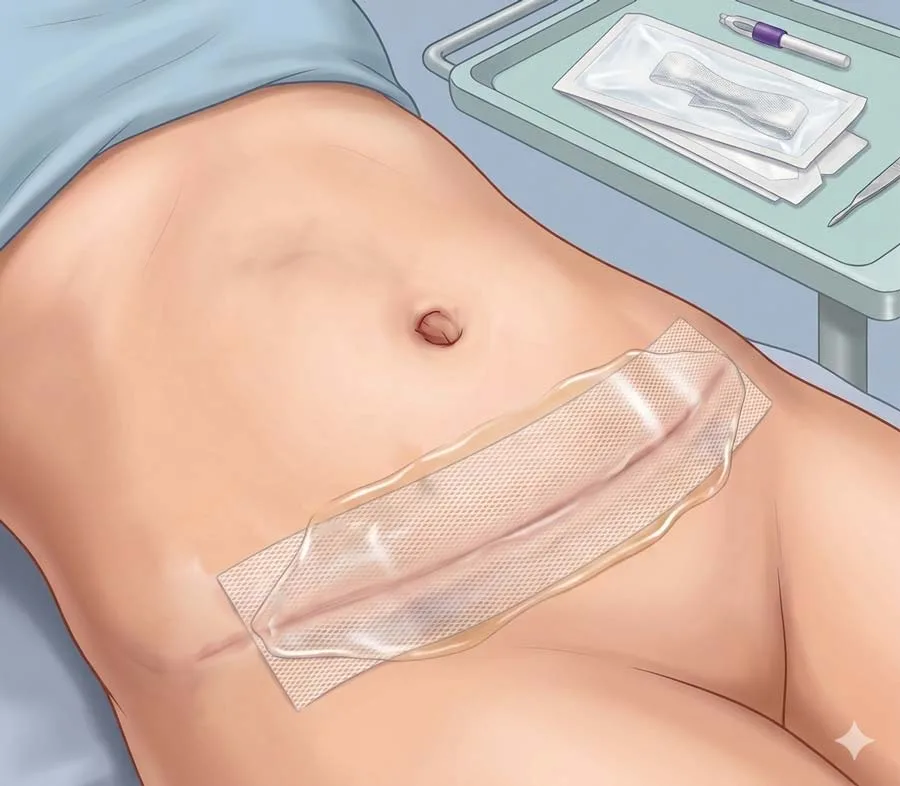
- No daily dressing change is required over the Dermabond Prineo area.
- Do not peel, rub, pull, or remove the dressing yourself.
- The dressing may gradually loosen over time.
- The timing of removal will be determined by our medical staff.
Belly Button Care
The belly button is one of the most important areas to monitor after abdominoplasty because it may be more vulnerable to irritation and infection during the early healing period.
Please pay special attention to your belly button area after abdominoplasty. This area should be checked daily.
- Keep the belly button area clean and dry.
- Check daily for redness, swelling, discharge, or foul odor.
- Do not apply ointment, disinfectant, or dressing unless instructed by our medical staff.
- Contact Evita Clinic if you notice increasing pain, discharge, odor, or spreading redness.
Drain Management
Surgical drains are used to remove excess fluid from the surgical area and help reduce the risk of fluid accumulation.
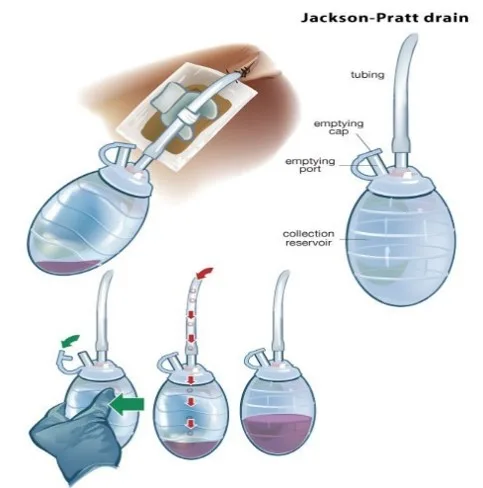
- Wash your hands before handling the drain.
- Empty the drain as instructed by our medical staff.
- After emptying, compress the bulb before closing the cap to maintain suction.
- Secure the drain to your clothing or a drain pocket to prevent accidental pulling.
- Dispose of the fluid safely and wash your hands again afterward.
Drain Recording
Please keep track of the total amount of drainage over a 24-hour period and inform our medical staff during your follow-up visit.
This information helps us determine when your drains can be safely removed.
Drains are usually removed when the daily drainage amount has decreased to an acceptable level as determined by your surgeon.
Example:
- Right Drain: 45 mL / day
- Left Drain: 35 mL / day
For detailed instructions on how to empty, measure, and manage your drain at home, please refer to our complete Drain Management Guide.
Liposuction Drainage Sites
If 360-degree liposuction was performed together with your abdominoplasty, small incisions above the buttocks may be intentionally left open overnight.
This allows the tumescent fluid used during liposuction to drain naturally.
You may notice a significant amount of pink or reddish fluid on the dressings or diaper overnight. This is usually tumescent fluid mixed with a small amount of blood and is not active bleeding.
These small incisions are typically closed during your first postoperative visit the following day.
Warmth and Blood Circulation
Keeping your abdomen comfortably warm may help promote blood circulation and support healing.
- Do not place hot packs directly on the surgical area.
- Do not apply heating pads, electric blankets, or other heat sources directly to the abdomen.
- Temporary numbness is common after abdominoplasty, and excessive heat may cause burns before you notice pain or discomfort.
- If you use a heating device, keep the temperature low and avoid direct skin contact.
Steri-Strip Around the Belly Button
Steri-Strips may be applied around the belly button after suture removal to support wound healing and reduce tension around the incision.
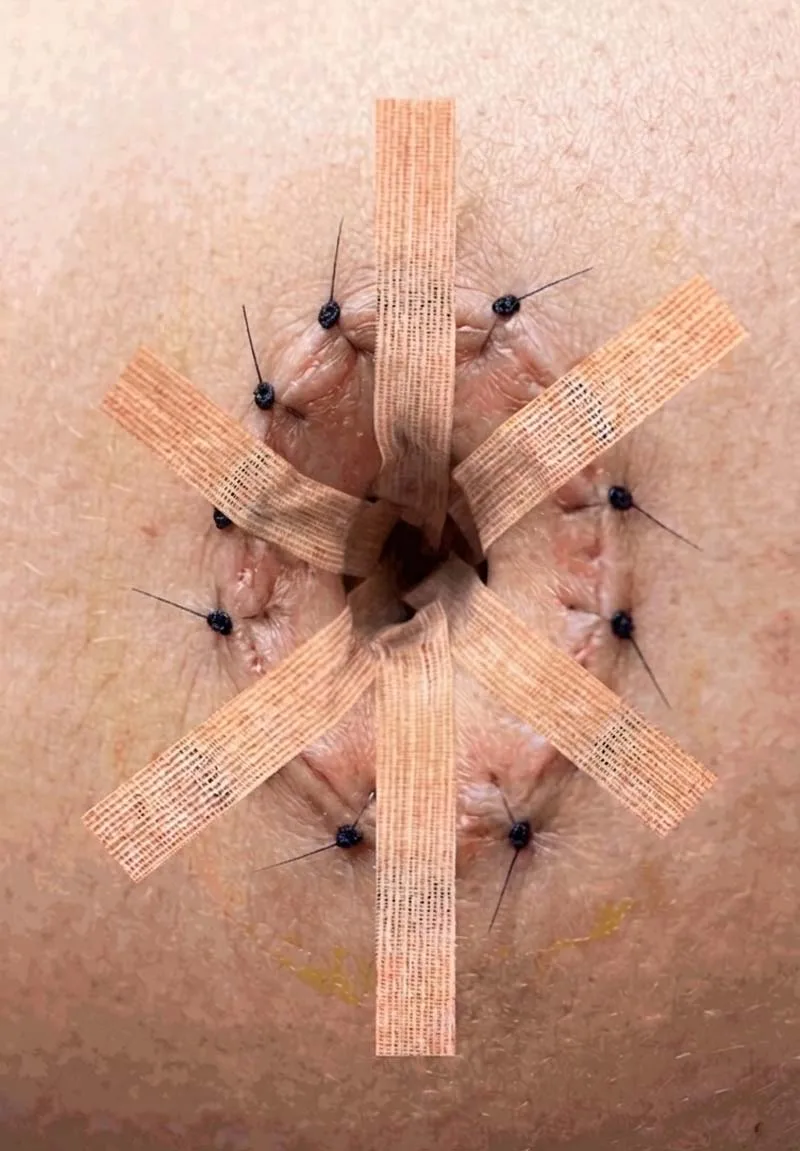
- Do not pull or remove the Steri-Strips forcefully.
- Leave them in place until they become loose or detach naturally.
- Replace them only if instructed by our medical staff.
- Keep the area clean and dry.
Seroma After Drain Removal
Occasionally, fluid may accumulate beneath the abdominal skin even after the drains have been removed. This fluid collection is called a seroma.
Seroma formation after drain removal is not uncommon and does not necessarily indicate a complication.
Small seromas often resolve naturally as the body gradually absorbs the fluid.
However, if a significant amount of fluid accumulates, Dr. Jeon may recommend needle aspiration during your follow-up visits to remove the fluid and improve comfort.
Please contact Evita Clinic if you notice increasing abdominal swelling, tightness, or a fluid-like movement under the skin.
When Should I Contact Evita Clinic?
```- Increasing redness, warmth, swelling, or pain around the incision
- Yellow, green, or foul-smelling drainage
- Heavy bleeding that does not improve with gentle pressure
- Sudden increase in abdominal swelling or tightness
- Loss of drain suction or accidental drain removal
- Fever or chills
- Severe pain not relieved by medication
- Any concern about your drain, dressing, or wound condition
Important Note
```Do not remove or change any dressing unless instructed by Evita Clinic. Proper wound and drain care is important for safe healing after abdominoplasty.
Please attend all scheduled follow-up visits so our medical staff can check your incision, belly button, drains, and overall healing progress.
```Questions?
```If you have any questions regarding your dressings, drains, or wound care, please contact Evita Clinic.
```