
Recovery Support Guide
Scar management is an important part of recovery after surgery. Although scars are a natural part of healing, proper care can help scars become flatter, softer, and less noticeable over time.
Most Important Notes
- Scars take time: Scar maturation often takes 12–18 months.
- Early redness is normal: Scars may look red, firm, or raised during the first few months.
- Tension control matters: Reducing tension on the incision is one of the most important parts of scar prevention.
- Do not smoke: Smoking delays healing and increases the risk of wound problems and poor scars.
- Use scar products only after the wound is closed: Scar gel, silicone gel, and silicone sheets should not be applied to open wounds.
Why Do Scars Form?
A scar forms when the body repairs a skin incision by producing collagen. This is a normal and necessary healing process.
However, if too much collagen is produced or if the incision is exposed to excessive tension, the scar may become wider, thicker, raised, or more visible.
Scar appearance is influenced by many factors, including genetics, skin type, surgical area, wound tension, smoking, infection, and postoperative care.
Why Tension Matters
Tension is the pulling force placed on a healing incision. The more tension a wound experiences, the more likely the scar may widen or become thick.
Areas that require special scar care include:
- Chest and areola area
- Abdomen and belly button
- Inner arms
- Inner thighs
- Groin area
- Joints and body folds
Evita Clinic’s Scar Prevention Approach
At Evita Clinic, scar management begins in the operating room. We use careful surgical technique and structured postoperative care to support better healing.
Layered Closure
Incisions are closed in layers whenever appropriate. This helps reduce tension on the skin surface and supports more stable wound healing.
Antibacterial Sutures
Evita Clinic uses antibacterial sutures to help reduce the risk of wound infection, which is one of the important causes of poor scarring.
Dermabond Prineo
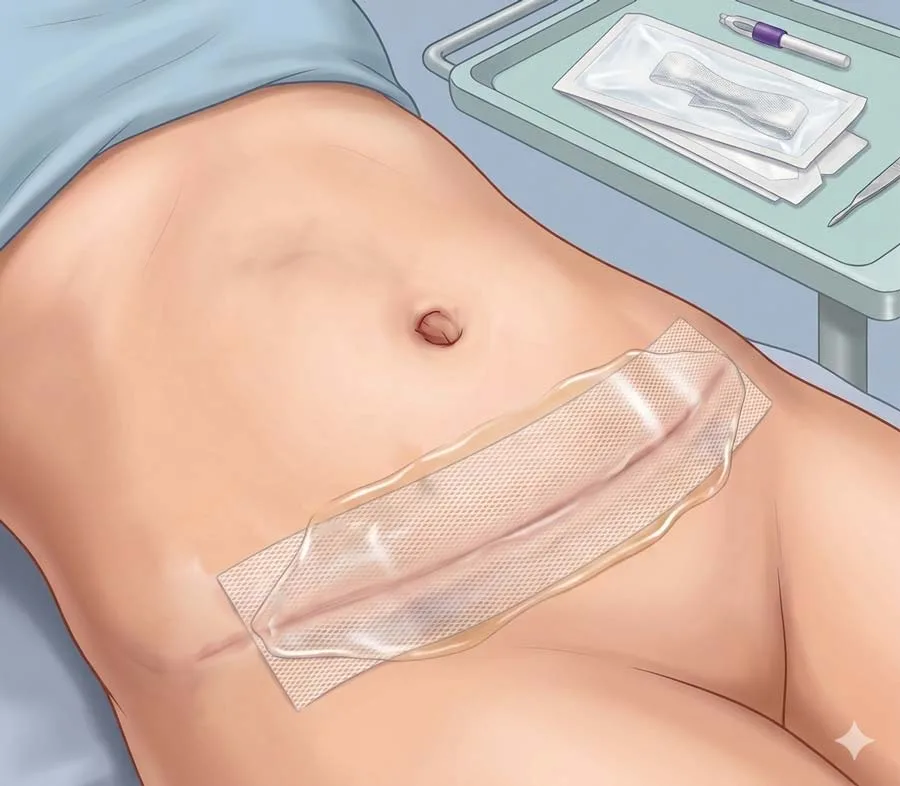
Dermabond Prineo may be used to protect the incision and support early wound healing.
In selected procedures, Dermabond Prineo may be used to protect the incision, reduce external tension, and simplify early dressing care.
Steri-Strip Support
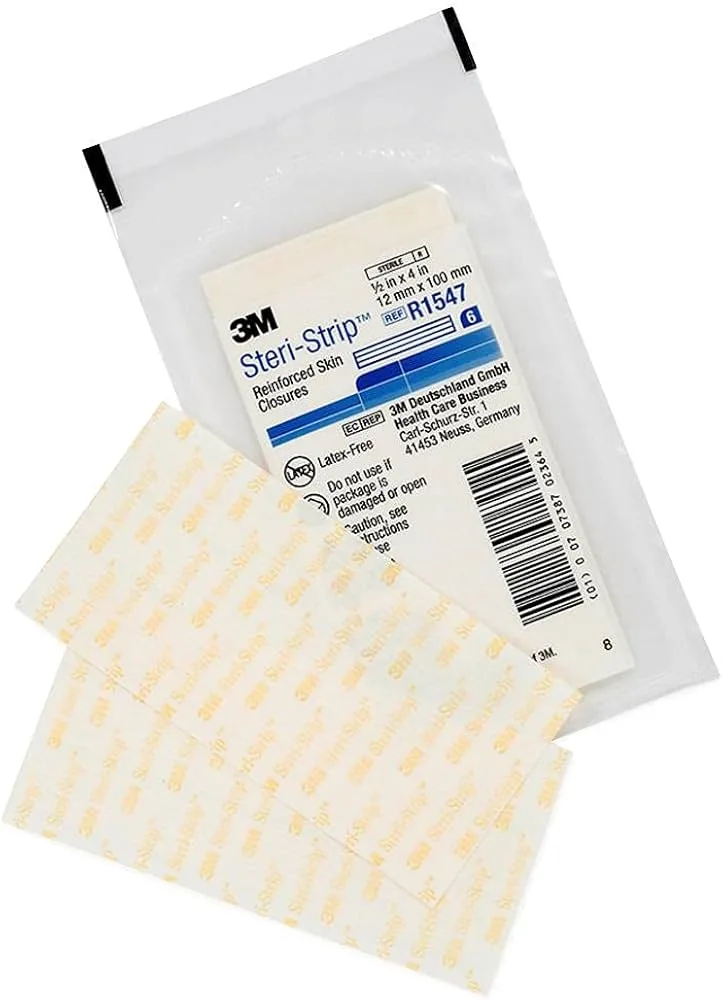
Steri-Strips help reduce tension across the healing incision.
Steri-Strips are often used after the early wound-healing phase to reduce tension and help prevent scar widening.
Scar Healing Roadmap
Initial Wound Healing
This is the period from surgery until the incision is closed and stable. The goal is infection prevention and safe wound healing.
- Keep the wound clean and dry.
- Do not remove dressings unless instructed.
- Avoid unnecessary tension or friction.
- Do not smoke.
Tension Control Phase
After the incision has stabilized, tension control becomes very important.
- Use Steri-Strips as instructed.
- Avoid excessive stretching.
- Wear compression garments when prescribed.
- Protect the scar from friction.
Scar Gel and Silicone Care
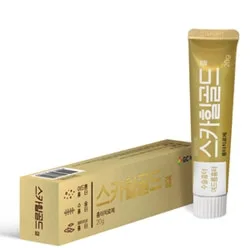
Scarheal Gold Gel may be used after Steri-Strip therapy is completed and the incision is fully closed.
Once the incision is fully closed, scar gel or silicone products may be started according to your surgeon’s instructions.
Long-Term Scar Maturation
Scars usually soften, flatten, and fade gradually. This process may take 12–18 months or longer.
Steri-Strips and Scar Gel: Use Them in the Correct Order
Steri-Strips and scar gel should generally not be used at the same time.
Scar gels, silicone gels, and ointments leave a thin film on the skin surface. This prevents Steri-Strips from sticking properly and may cause them to fall off early.
At Evita Clinic, we usually recommend the following sequence:
- Incision healing
- Steri-Strip therapy
- Scar gel or silicone care
- Long-term scar maturation
Silicone Gel and Silicone Sheets
Silicone products are widely used for scar management after the wound has fully healed.
Silicone Gel
- Useful for curved, mobile, or small scars
- Often suitable for the areola, belly button, face, and moving areas
- Apply a thin layer and allow it to dry
Silicone Sheets
- Useful for longer, flatter scars
- May be used for arm lift, thigh lift, tummy tuck, or body lift scars
- Should be used only on fully healed skin
Do not apply silicone gel, silicone sheets, or scar ointment to open wounds, drainage, scabs, or irritated skin.
Scar Massage
Scar massage may help soften firm scar tissue and reduce tightness, but it should begin only after the incision is fully closed and approved by our medical staff.
- Use small circular motions with your fingertips.
- Massage gently but firmly enough to move the skin and scar tissue.
- Massage 2–3 times daily for 3–5 minutes if instructed.
- Do not massage open wounds, scabs, drainage, or irritated skin.
Sun Protection
New scars are very sensitive to ultraviolet light. Sun exposure can cause long-lasting brown pigmentation.
- Protect scars from direct sunlight for at least 6 months.
- Cover scars with clothing whenever possible.
- Use SPF 30 or higher after the incision has fully healed.
- Reapply sunscreen during prolonged outdoor activity.
Hypertrophic Scar vs. Keloid
| Type | Hypertrophic Scar | Keloid |
|---|---|---|
| Growth Pattern | Stays within the original incision area | Grows beyond the original wound boundary |
| Appearance | Red, raised, firm scar | Raised, shiny, thick scar that may spread |
| Tendency | Common after surgery or tension | Often related to genetic tendency |
| Course | May gradually improve over time | May continue to grow without treatment |
Treatment Options for Thick or Raised Scars
If a scar becomes thick, raised, painful, itchy, or begins to grow beyond the incision line, early treatment may help.
- Steri-Strip or tension-reduction taping
- Silicone gel or silicone sheets
- Scar ointment
- Steroid injection
- Laser treatment
- Scar revision surgery in selected cases
The best treatment depends on scar location, thickness, color, symptoms, skin type, and healing pattern.
What to Avoid During Scar Healing
- Smoking
- Applying scar gel before the wound is fully closed
- Using silicone sheets on open wounds or drainage
- Starting scar massage too early
- Excessive stretching or friction
- Strong sun exposure
- Unverified home remedies
Frequently Asked Questions
Will scars disappear completely?
Scars do not disappear completely, but most scars fade, soften, and become less noticeable over time.
Why is my scar red or purple?
Early scars often appear red or purple because blood vessels are active during healing. This usually improves gradually over several months.
Why does my scar itch or tingle?
Mild itching, tingling, or sensitivity can occur as nerves recover and scar tissue matures.
When can I start scar gel?
Scar gel should be started only after the incision is fully closed and there is no drainage, scab, or open wound.
Can I use Steri-Strips and scar gel together?
Usually no. Scar gel makes the skin slippery and prevents Steri-Strips from sticking properly. Steri-Strips are usually used first, followed by scar gel.
What if I have a keloid tendency?
Please inform Evita Clinic before surgery if you have a personal or family history of keloids or thick raised scars.
When Should I Contact Evita Clinic?
- Wound separation
- Spreading redness, warmth, or swelling
- Pus or foul-smelling drainage
- Skin becoming dark, black, or necrotic-looking
- Scar growing beyond the original incision line
- Severe itching, pain, or rapid thickening
- Any concern about scar healing or wound care
Important Note
There is no method that can make a surgical scar completely disappear. However, careful surgery, proper tension control, smoking cessation, Steri-Strip support, silicone therapy, scar gel, massage, and sun protection can all help scars heal in a more refined and less noticeable way.
Evita Clinic will guide you through each stage of scar healing so that your recovery can be as smooth and predictable as possible.
Questions?
If you have questions about scar gel, Steri-Strips, silicone sheets, scar massage, or raised scars, please contact Evita Clinic.