
Gynecomastia Surgery Guide
Please read these medication instructions carefully after your gynecomastia surgery at Evita Clinic. Taking your medications correctly helps control pain, inflammation, swelling, and bruising, reduce the risk of infection, and support proper healing.
Your Medication Plan Is Individually Adjusted
The medications shown on this page are examples of medicines that may be prescribed after gynecomastia surgery.
Your surgeon may select, add, replace, or omit medications depending on your surgical method, whether skin excision was performed, your medical condition, current medications, known drug allergies, previous medication reactions, symptoms, wound condition, and recovery progress.
If you have an allergy, sensitivity, or previous adverse reaction to a particular medication, it may be replaced with a more appropriate alternative.
You may not receive every medication shown on this page. Take only the medications specifically prescribed or provided to you by Evita Clinic.
Most Important Notes
- Take Medications After Meals: Unless otherwise instructed, take your prescribed medications after meals.
- Take Only Your Prescribed Medications: The photographs on this page are provided to help you identify your medicines. Do not take a medication simply because it appears on this page.
- Complete the Prescribed Course: Do not stop antibiotics or other scheduled medications early unless instructed by Evita Clinic.
- Tell Us About Medication Allergies: Inform Evita Clinic about any known drug allergies, sensitivities, or previous adverse medication reactions.
- Avoid Additional Medications: Do not take additional painkillers, anti-inflammatory medications, supplements, or herbal products without first consulting Evita Clinic.
- Contact Evita Clinic: Contact us if you develop a rash, persistent vomiting, breathing difficulty, severe dizziness, or another unusual reaction.
Medication Schedule
Begin your prescribed postoperative medications after surgery and take them according to the schedule printed on your medication package.
Some medications are used routinely, while others are prescribed only after skin excision or for patients with specific scar or circulation concerns.
Initial Postoperative Medications
The following medications are commonly prescribed during the initial recovery period after gynecomastia surgery.
Unireba Tab. (Rebamipide 100 mg)
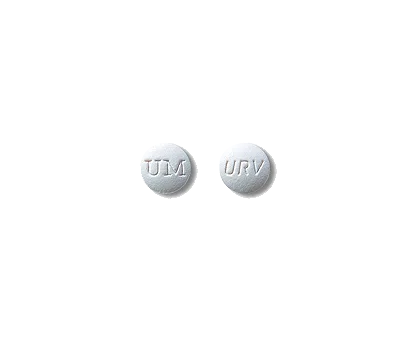
Unireba helps protect the stomach lining while you are taking postoperative medications, including antibiotics and anti-inflammatory pain medication.
- It helps reduce stomach irritation and discomfort.
- Take it according to the schedule printed on your medication package.
- It is generally taken after meals.
Huclor Cap. (Cefaclor 250 mg)
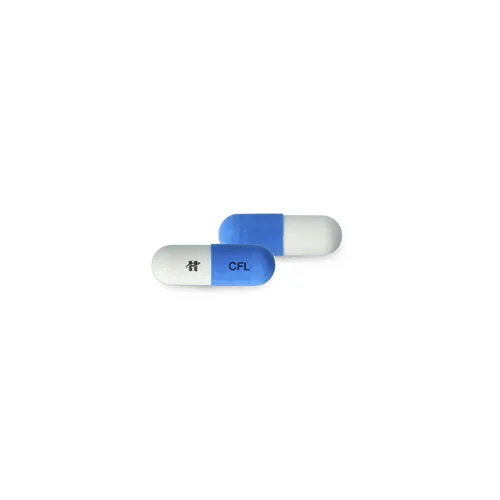
Huclor is an antibiotic used to help prevent or treat bacterial infection after surgery.
- Complete the full prescribed course.
- Do not stop taking it early even if you feel well.
- It may cause mild stomach discomfort or loose stools.
- Contact Evita Clinic if you develop a rash, facial swelling, breathing difficulty, or another suspected allergic reaction.
Unicetal Tab. (Aceclofenac 100 mg)
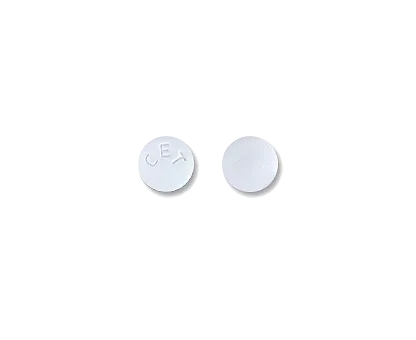
Unicetal is a non-steroidal anti-inflammatory medication used to reduce postoperative pain, inflammation, and swelling.
- Take it after meals unless instructed otherwise.
- Do not combine it with another anti-inflammatory painkiller unless approved by Evita Clinic.
- Contact Evita Clinic if you develop severe stomach pain, black stools, a rash, or another unusual reaction.
Transamin Cap. (Tranexamic Acid 250 mg)
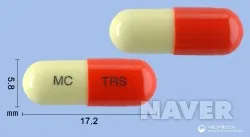
Transamin helps stabilize blood clots and may reduce postoperative bleeding and bruising.
- Take it according to your prescribed schedule.
- Tell Evita Clinic if you have a history of blood clots or are taking anticoagulant medication.
Additional Medication for Skin Excision Cases
The following medication is generally not required after a standard keyhole procedure. It may be prescribed when skin excision, areolar reduction, or a larger incision has been performed.
Unibuerger F Tab. (Beraprost Sodium 0.04 mg)
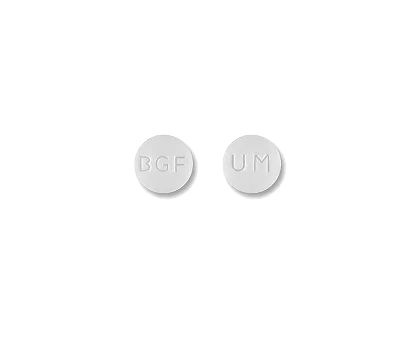
Unibuerger F helps improve peripheral blood circulation by widening blood vessels and supporting blood flow to healing skin and the nipple-areola area.
It may be prescribed after donut, circumareolar, anchor, or other skin excision procedures when additional circulation support is considered helpful.
- Take it only if it has been specifically prescribed to you.
- Follow the dose and schedule printed on your medication package.
- It may occasionally cause headache, flushing, dizziness, or easy bruising.
Scar Medication Prescribed Only for Selected Patients
The medication below is not routinely prescribed to every gynecomastia patient. Take it only if it has been specifically included in your prescription.
Rizaben Cap. (Tranilast 100 mg)
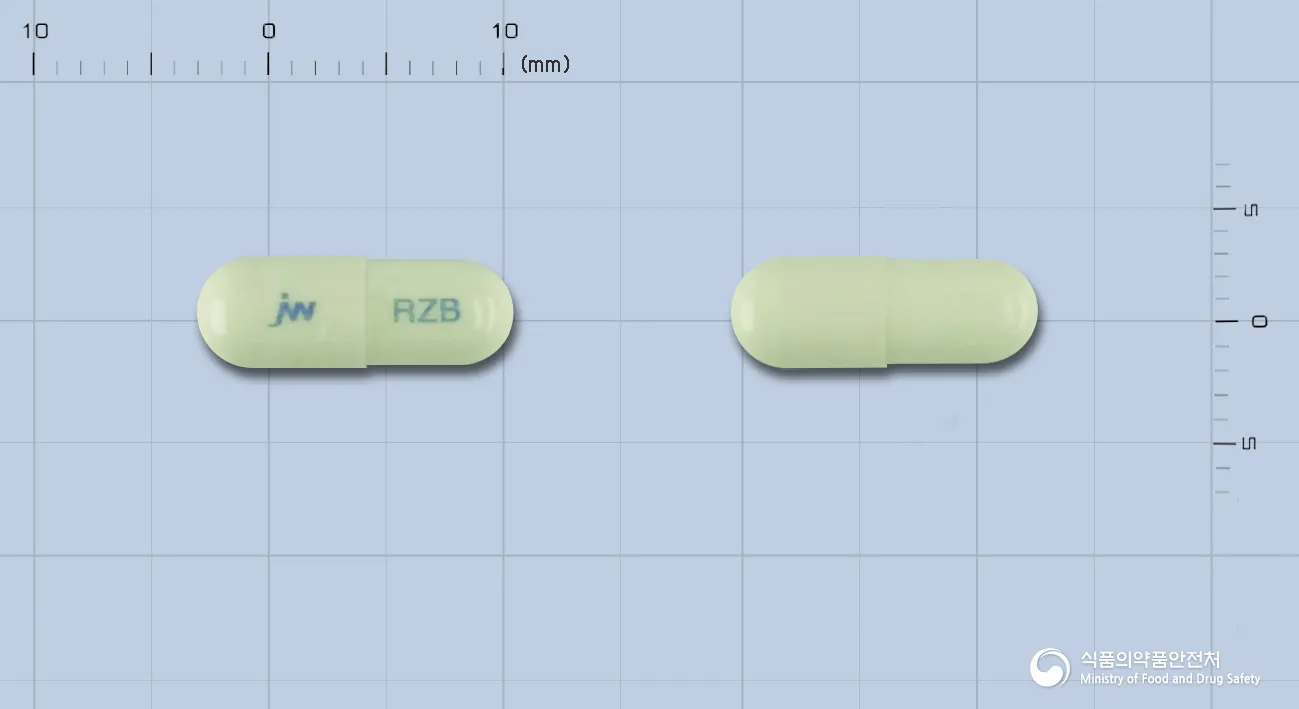
Rizaben is not routinely prescribed to every patient.
It may be prescribed when a patient has a known tendency to develop keloid scars, hypertrophic scars, or thick and raised scars.
When prescribed, Rizaben is generally started after completing the initial postoperative medication course.
- Take it only if it has been specifically prescribed to you.
- Follow the dose and duration written on your medication package.
- Rizaben does not replace Steri-Strips, scar gel, silicone treatment, or regular scar follow-up.
Extra Pain Medicine — Take Only When You Have Pain
Hutradol Semi Tab. (Tramadol Hydrochloride 18.75 mg / Acetaminophen 162.5 mg)
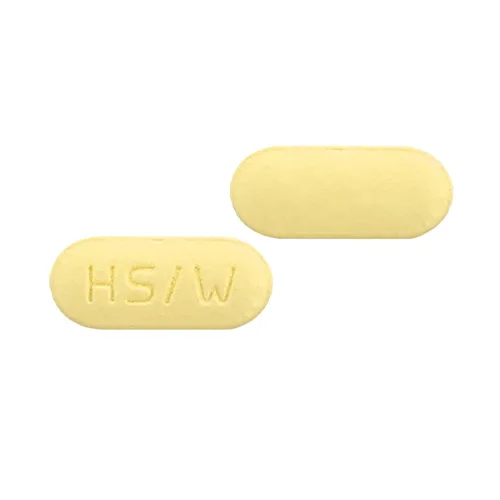
Hutradol Semi is an additional pain medicine that may be provided separately when you leave the clinic.
Take this medication only when you have significant pain. You do not need to take it when you are comfortable or when your pain is mild.
- Follow the dose and minimum time interval written on your medication package.
- Do not take it routinely when you are not in pain.
- It may cause nausea, dizziness, or drowsiness.
- Do not drink alcohol or drive after taking this medication.
- Do not take another medication containing acetaminophen unless instructed by Evita Clinic.
Hutradol Semi is an extra pain medicine and is not part of your routine scheduled medication course.
Steri-Strip Scar Support
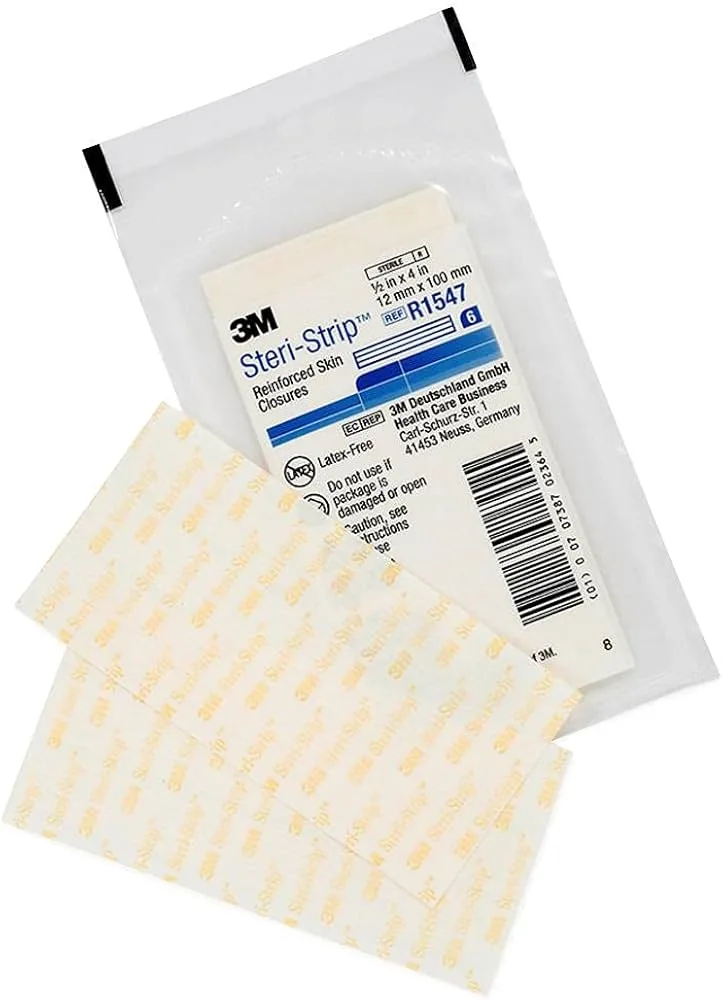
Steri-Strips are medical tapes used to support the healing incision and reduce tension and widening across the scar.
- Begin using Steri-Strips when instructed by Evita Clinic.
- Continue using them for approximately 4–8 weeks. Skin excision cases may require use for approximately 2 months or longer.
- Replace them when they become loose, wet, dirty, or naturally detached.
- Apply them only to clean and completely dry skin.
- Do not pull or stretch the strips excessively.
- Do not apply Steri-Strips over an open or draining wound.
Scarheal Gold Gel
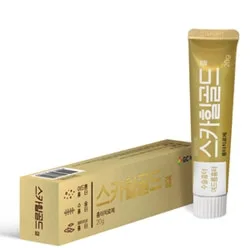
Scarheal Gold Gel may be used for long-term scar management after the incision has completely closed and healed.
Do not apply scar gel to an open, moist, bleeding, irritated, or draining wound.
- Begin only when instructed by Evita Clinic.
- It is usually started after the incision is completely closed and dry and after the initial Steri-Strip period has been completed.
- Apply a thin layer to the healed incision.
- Massage gently until the gel is absorbed.
- Use it according to the product instructions and the directions provided by the clinic.
- Continue for the period recommended for your individual scar condition.
Possible Side Effects
- Mild stomach discomfort
- Nausea
- Loose stools or constipation
- Dizziness or drowsiness
- Headache or flushing
- Skin rash or itching
Most side effects are mild and temporary. If symptoms are severe, persistent, or worsening, contact Evita Clinic for instructions.
When Should I Contact Evita Clinic?
- Severe rash, hives, or facial swelling
- Difficulty breathing
- Persistent vomiting or severe diarrhea
- Severe dizziness, fainting, or unusual weakness
- Severe abdominal or stomach pain
- Rapidly increasing swelling or pain on one side of the chest
- Any other unusual reaction after taking your medication
Seek emergency medical assistance immediately if you develop difficulty breathing, loss of consciousness, or signs of a severe allergic reaction.
Common Questions
What if I miss a dose?
Take the missed dose when you remember unless it is almost time for your next scheduled dose. Do not take two doses at the same time to make up for a missed dose.
Can I drink alcohol?
Avoid alcohol while taking postoperative medications and during the early recovery period. Alcohol may increase dizziness, drowsiness, stomach irritation, swelling, or other medication-related side effects.
Can I take additional painkillers?
Do not take additional painkillers or anti-inflammatory medications without first consulting Evita Clinic. Some products may contain the same ingredients as your prescribed medication.
Important Note
Gynecomastia patients do not always receive exactly the same medications. The exact prescription is individually determined according to the surgical method, skin excision, medical history, allergies, wound condition, and recovery progress.
Take only the medications prescribed or provided specifically for you, and follow the instructions given by the Evita Clinic medical team.
Do not take additional prescription medications, over-the-counter medications, supplements, or herbal products without first consulting Evita Clinic.
Questions About Your Medication?
If you have questions about your medications, cannot identify a medication, have a known allergy, are unsure when to begin scar treatment, or experience an unusual reaction, please contact Evita Clinic.