Comprehensive Guide to Preventing and Treating Hypertrophic Scars After Surgery
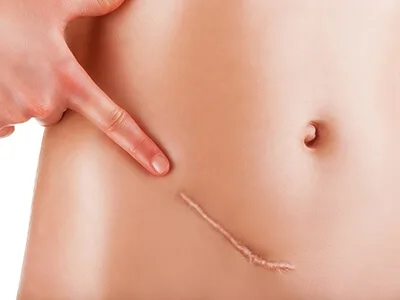
Surgical scars are an inevitable part of the healing process. When the skin is incised, the body naturally creates scar tissue as part of its recovery. While this is a normal and necessary biological response, not all scars are the same. Some scars remain subtle and barely noticeable, while others may become more prominent and concerning.
This guide focuses on hypertrophic scars, a common type of raised scar, explaining their causes, prevention strategies, and effective treatments.
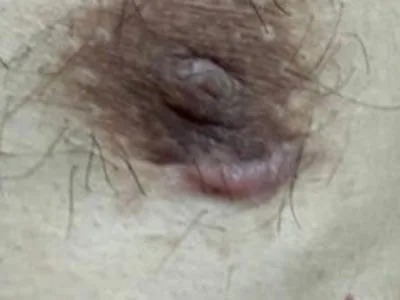
Understanding Hypertrophic Scars
What Are They?
Hypertrophic scars are thick, raised scars that remain confined to the boundaries of the original wound. They often occur in areas under high tension, such as the chest or navel, where the skin experiences significant pulling forces.
Hypertrophic scars may not only appear raised but can also become itchy, tender, or painful to touch during the maturation process. These symptoms often improve gradually over time.
How Are They Different from Keloid Scars?
Although similar in appearance, hypertrophic scars are not the same as keloid scars:
- Keloid scars strongly associated with genetic predisposition, although they may occur in people without a known family history.
- Hypertrophic scars, on the other hand, are more common and can develop in anyone, especially in high-tension areas. However, they are generally manageable and can often be minimized with proper care.
Prevention: A Timeline-Based Approach
Preventing hypertrophic scars starts with diligent care during the recovery process. Here’s a step-by-step timeline to guide you:
1. Early Stage: Immediately After Surgery (First 2 Weeks)
- Keep the Wound Clean: Maintain a clean and dry surgical site to prevent infections.
- Use Steri-Strips: After stitches are removed, apply Steri-Strips to minimize tension on the wound and promote better healing.
Learn more about proper Steri-Strip usage on Evita Clinic’s website.
2. Intermediate Stage: Weeks 2 to 8 Post-Surgery
- Continue Using Steri-Strips: Keep Steri-Strips on the wound for at least 2 months to support the scar as it matures.
- Avoid Excessive Tension: Limit activities that could stretch the surgical site, especially in high-tension areas like the chest or abdomen.
- Protect from Sunlight: Cover the scar or apply SPF 30+ sunscreen to prevent discoloration.
3. Late Stage: After 2 Months Post-Surgery
- Switch to Scar Creams: Apply scar-specific gels or creams, such as silicone-based products, to reduce redness and improve scar texture.
- Massage the Scar: Gentle scar massage with a moisturizing cream may help soften scar tissue and improve scar pliability. However, massage should only begin after the incision has completely healed.
- Monitor for Changes: Watch for abnormal thickening or discoloration, and consult a specialist if needed.
Treatment Options for Existing Hypertrophic Scars
Even with the best preventive measures, hypertrophic scars can sometimes still develop. If they do, these treatments can help:
- Silicone Gel or Sheets
- Effective for flattening scars and reducing redness.
- Corticosteroid Injections
- Corticosteroid injections may be performed at intervals determined by your physician, depending on the scar’s response and severity.
- Laser Therapy
- Helps improve the texture and color of the scar, making it less noticeable.
- Cryotherapy
- For thicker scars, freezing techniques may help reduce their size and prominence.
- Scar Revision Surgery
- In cases where non-surgical methods are insufficient, a minor procedure called scar revision can be performed.
- Simple and Effective: The procedure involves removing the scar and re-suturing the skin under local anesthesia. Recovery is quick, with minimal disruption to daily life.
- A Second Chance for Better Healing: Since previous scar formation often results from inadequate management, this procedure offers a new opportunity to adhere to proper scar care.
- At Evita Clinic, Dr. Francis Jeon specializes in meticulous and precise scar revision surgeries, ensuring optimal results for patients.
- In cases where non-surgical methods are insufficient, a minor procedure called scar revision can be performed.
Specialized Post-Surgery Care at Evita Clinic
- At Evita Clinic, we are committed to helping patients minimize and manage scars effectively. Our comprehensive approach includes:
- Free Post-Surgery Care: We offer high-frequency therapy and lymphatic massages to promote faster recovery and reduce scar formation.
- Expert Injection Therapies: Dr. Francis Jeon provides dissolving injections and corticosteroid treatments tailored to each patient’s needs.

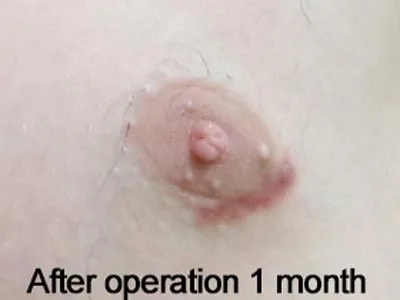
By following these preventive and treatment strategies, you can significantly reduce the risk of hypertrophic scars and achieve smoother, healthier healing.
For personalized guidance and expert care, contact Evita Clinic today.